New York City has the largest Jewish population of any city outside Israel, and yet most restaurant marketing content treats September as a story about football season and pumpkin flavors. Rosh Hashanah and Yom Kippur create two of the most predictable, concentrated dining demand windows of the entire fall, and they deserve the same planning that goes into Pride Weekend or the Marathon.
The dates, confirmed for 2026
Rosh Hashanah begins at sundown on Friday, September 11, and runs through nightfall on Sunday, September 13. It’s the Jewish New Year, observed with festive family meals on both evenings, which makes it functionally a two-night group dining event for many observant and culturally connected New Yorkers.
Yom Kippur follows nine days later, beginning at sundown on Sunday, September 20 and ending at nightfall on Monday, September 21. Unlike Rosh Hashanah, Yom Kippur itself is a fast day. The dining opportunity isn’t during the holiday. It’s the break-fast meal immediately after it ends Monday evening, when a full day without food or water turns into one of the most time-sensitive dinner rushes of the year. Both dates are worth double-checking against a current Jewish calendar close to publication, since Hebrew calendar dates are sometimes miscited online and the exact sundown time can shift by neighborhood and time of year.
Why Rosh Hashanah is a family and group booking story
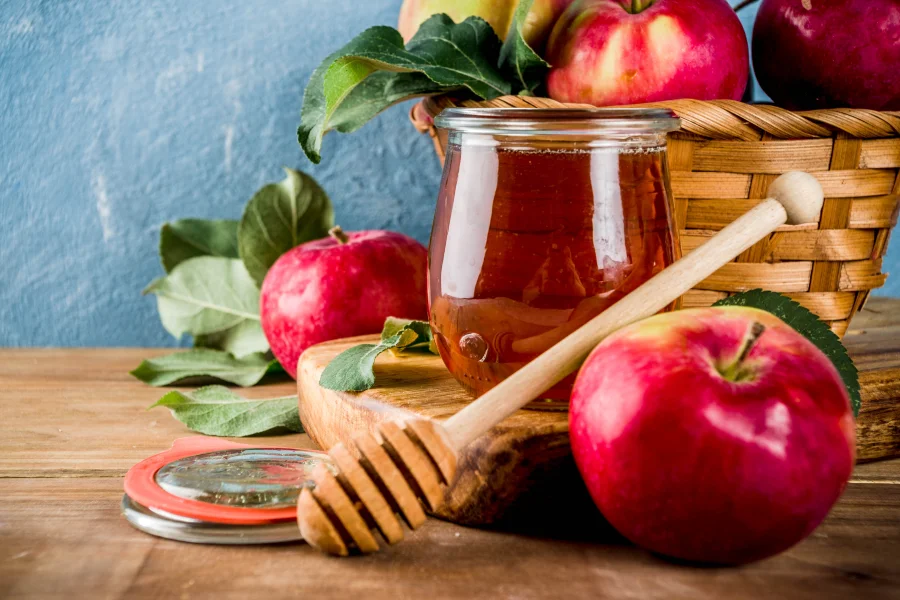
Rosh Hashanah dinners tend to be larger than a typical weeknight reservation. Extended families gather, often across generations, for a meal built around symbolic foods like apples and honey, round challah, and pomegranates, each tied to a hope for the year ahead. For restaurants that can accommodate larger parties, this is closer in shape to a Thanksgiving-style booking than a normal Friday night, and it comes with the same planning challenges: bigger tables, longer meals, and guests who care more about being together than about turning the table quickly.
Practical steps that actually help here:
- Open group reservation slots earlier than you normally would for a September weekend, since families plan these meals well in advance, often weeks ahead rather than days.
- If your menu can accommodate a simple prix-fixe or family-style option built around traditional flavors, mention it directly rather than making guests ask. A kitchen that can offer even one dish with a nod to the holiday, without pretending to be a kosher restaurant if it isn’t one, shows guests you’re paying attention.
- Update your Google Business Profile hours ahead of both Friday evening and Sunday, since sundown-to-sundown holidays don’t map cleanly onto a normal weekend schedule. A restaurant that’s technically open Friday night but shows Saturday daytime hours as “closed for the holiday” needs that distinction to be clear, not confusing.
- Consider whether your dining room layout can flex toward larger parties for this specific weekend, even temporarily, since a restaurant that only offers two- and four-top tables will lose larger family bookings to a competitor that can combine tables comfortably.
Why Yom Kippur break-fast is a completely different kind of rush
The break-fast crowd is nothing like the Rosh Hashanah dinner crowd. These are guests who haven’t eaten or had water since the previous evening, showing up right around nightfall on Monday, September 21, often in a single concentrated wave rather than spread across a normal dinner service. Restaurants near neighborhoods with a strong Jewish community, including parts of the Upper West Side, Midtown East, and Brooklyn, can see a very specific, short window of extremely high demand, sometimes compressed into ninety minutes rather than a normal three-hour dinner service.
This is less about an elaborate menu and more about being ready for volume at a predictable hour. Lighter, easily shareable dishes that come out fast tend to work better here than a slow tasting menu, simply because guests are hungry in a way that’s different from an ordinary dinner rush. Many break-fast traditions lean toward dairy-forward, easy-to-share spreads, bagels, lox, and similar options, which is worth keeping in mind if your kitchen wants to offer something specifically suited to the moment rather than just running a normal dinner menu at a busier-than-usual hour.
Staffing for this window matters more than menu innovation. A restaurant that schedules extra front-of-house coverage specifically for the two hours after sundown on September 21, rather than treating it as a normal Monday, will handle the wave far better than one that’s caught understaffed.
Treat this with the respect it deserves
This is a religious observance first, not a marketing opportunity dressed up as one. The restaurants that get this right talk about it plainly and warmly, the same way they’d talk about any other meaningful holiday, rather than leaning into forced puns or treating the fast itself as a gimmick. A simple, sincere note wishing the community well tends to land better than a promotional post trying to capitalize on the moment.
When to start promoting
For Rosh Hashanah, start reservation-focused outreach at least two to three weeks out, since family group bookings for a holiday like this are planned well in advance. For the Yom Kippur break-fast, the useful marketing window is much shorter and more logistical: a reminder post the week of, focused on hours and readiness, does more good than an early promotional push, since guests aren’t choosing where to break their fast weeks ahead of time the way they choose a Rosh Hashanah dinner.
Where this fits into your fall calendar
This follows the same format that’s worked for Pride Weekend and the Tony Awards: a dated, predictable NYC event with a real, capturable dining pattern behind it. If you’ve built a guest database through MyChefSocial’s CRM systems, this is exactly the moment to reach out directly to past group-dining guests before the holiday, rather than hoping they see a social post at the right time. And if your website hours and holiday menu information aren’t current, both of these dates are worth updating before, not during, the week they land.
Frequently Asked Questions
What are the exact 2026 dates for Rosh Hashanah and Yom Kippur?
Rosh Hashanah begins at sundown Friday, September 11, and runs through nightfall Sunday, September 13. Yom Kippur begins at sundown Sunday, September 20, and ends at nightfall Monday, September 21, with the break-fast meal happening that Monday evening.
How should a restaurant prepare differently for each holiday?
Rosh Hashanah is a family and group-dining story that needs advance reservations and larger-table capacity. Yom Kippur break-fast is a short, intense wave of hungry guests right after nightfall on September 21, which calls for fast, easy-to-share food and extra front-of-house staffing rather than an elaborate menu.
When should a restaurant start taking Rosh Hashanah reservations?
At least two to three weeks out, since families typically plan these meals well in advance rather than booking last minute the way they might for an ordinary weekend.
What kind of food works best for a Yom Kippur break-fast menu?
Lighter, easily shareable dishes that come out quickly tend to work better than a slow-tasting menu, since guests haven’t eaten or had water in about 25 hours. Many traditions lean toward dairy-forward, easy-to-share spreads like bagels and lox.
Is it appropriate to promote these holidays if my restaurant isn’t kosher or Jewish-owned?
Yes, as long as it’s done respectfully and accurately. A simple, sincere acknowledgment of the holiday and clear, honest information about hours and offerings tends to land better than a promotional post that treats the observance as a marketing gimmick.