
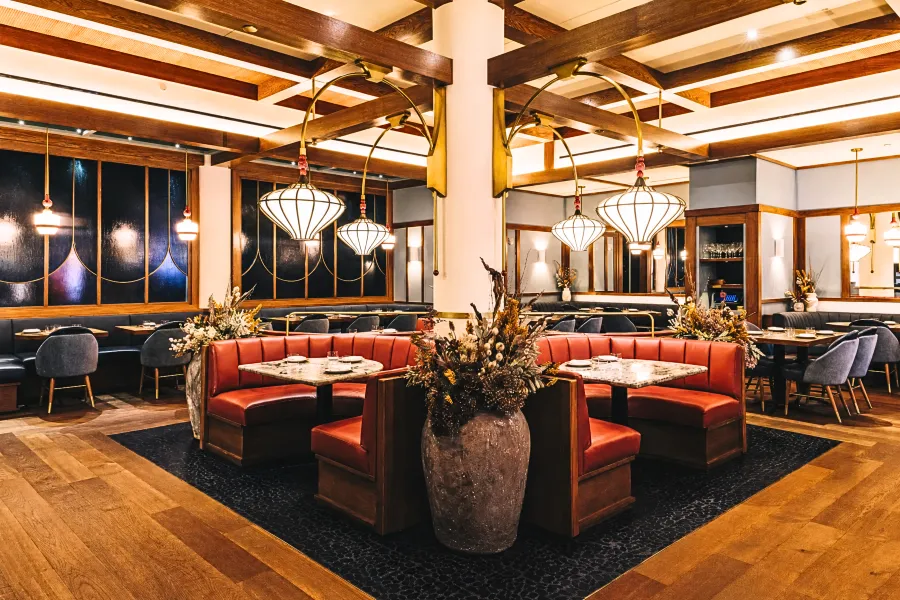
Most restaurants with a private room or a semi-private corner treat it as something they say yes to when someone asks, not something they actively sell. That’s a real gap. Private and group dining has become one of the more reliably growing segments of restaurant revenue, and it works on a completely different sales cycle than your regular reservation book.
What’s actually driving this
OpenTable’s 2026 Dining Trends Report found group dining up 11 percent year over year, with large party reservations and private dining room bookings both climbing as people rediscover the specific energy of a full table that a two-top dinner simply can’t replicate. The same research points to a broader private and group dining marketplace taking shape, with platforms increasingly built to help restaurants surface and manage exactly this kind of booking rather than handling it through ad hoc phone calls and email threads.
That growth matters because private dining guests spend differently than your average table. A private event typically comes with a minimum spend, a set menu or package pricing, and a built-in reason to book further in advance, all of which make it easier to forecast and staff around than standard walk-in and reservation traffic.
Why most restaurants underuse the room they already have
If your restaurant has any kind of private or semi-private space, it’s probably being used reactively. Someone calls, asks if you can accommodate a group of fourteen for a birthday, and you figure it out that week. That’s not a sales process. That’s just saying yes when asked, and it means you’re only capturing the demand that already knows to ask you directly.
A real private dining program treats that same space as a product with its own page, its own pricing structure, and its own outreach, the same way a hotel treats its event space rather than an afterthought to its guest rooms.
Building a private dining sales process, not just a private room
Give your private space a real page on your website, not a mention buried in your contact page. Corporate event planners, birthday party organizers, and small business hosts are actively searching for venues with clear capacity, pricing, and menu information available upfront. A restaurant that makes them call just to get basic facts is losing bookings to a competitor whose website answers those questions immediately.
Set clear package options instead of negotiating every event from scratch. A menu of two or three private dining packages, at different price points and formats, gives a prospective guest something concrete to consider rather than an open-ended conversation that requires more effort to start. This also protects your margins, since ad hoc negotiated pricing tends to drift downward over time.
Build a minimum spend into your structure, communicated clearly upfront. This is standard practice in private events broadly, and NYC guests booking a private space generally expect it. Being upfront about it avoids an awkward conversation later and filters in guests who are serious about the booking.
Actively market the space; don’t just wait for inquiries. A dedicated post highlighting your private room, sent to your CRM list or featured periodically on social, reminds past guests and their networks that the option exists. Most restaurants only think to mention their private space when someone already asks, which means the people who don’t know to ask never find out.
Track private dining inquiries and conversions the same way you’d track any other sales pipeline. How many inquiries come in each month, how many convert, and what’s the average booking value? Without this, you can’t tell whether your private dining program is actually growing or just happening to you occasionally.
Keep this distinct from your holiday party pipeline
This is a different conversation from the corporate holiday party pipeline already covered on the blog, which is specifically about the November and December surge in corporate group bookings. This is about building private dining into a year-round revenue channel: birthday dinners in March, a small business’s product launch in June, a family milestone in September, not just the seasonal corporate rush. The two absolutely coexist, and the systems you build for one strengthen the other, but the holiday season shouldn’t be the only time your restaurant actively sells its private space.
It also connects naturally to catering as a revenue diversification strategy, since many of the same guests considering an off-site catered event are also candidates for an on-site private dining booking, and to the Chef’s Counter experience format, which shares the same logic of turning a specific physical space into a deliberately marketed, premium-priced offering rather than standard seating.
Where this fits into your systems
A serious private dining program leans heavily on CRM segmentation to track past group-dining guests, follow up at the right moments, and build repeat business from event hosts who book annually, corporate teams that return quarterly, and families with a recurring occasion. Pairing that with regular social content showcasing the space keeps the option visible to guests who’d otherwise never think to ask.
Frequently Asked Questions
How much has group and private dining actually grown?
OpenTable’s 2026 Dining Trends Report found group dining up 11 percent year over year, with private dining room bookings climbing alongside it as diners increasingly seek out the specific energy of a full table.
Is this the same as marketing for corporate holiday parties?
No. Holiday party marketing is specifically about the November and December corporate surge. This is about building private dining into a genuine year-round revenue channel that includes birthdays, business events, and family milestones throughout the entire year.
Should a restaurant require a minimum spend for private events?
Generally yes, communicated clearly upfront. It’s standard practice for private dining in NYC, protects your margins against ad hoc negotiated pricing, and filters in guests who are genuinely ready to book.
What’s the biggest mistake restaurants make with their private dining space?
Treating it reactively, only saying yes when someone happens to ask, rather than actively marketing it with a dedicated web page, clear packages, and regular outreach to past guests.
How can a restaurant tell if its private dining program is actually working?
Track inquiries, conversion rate, and average booking value over time, the same way you’d track any other sales pipeline, rather than relying on a general sense of whether the room gets used.