
The Stall Is Winning, and It Is Not About the Food
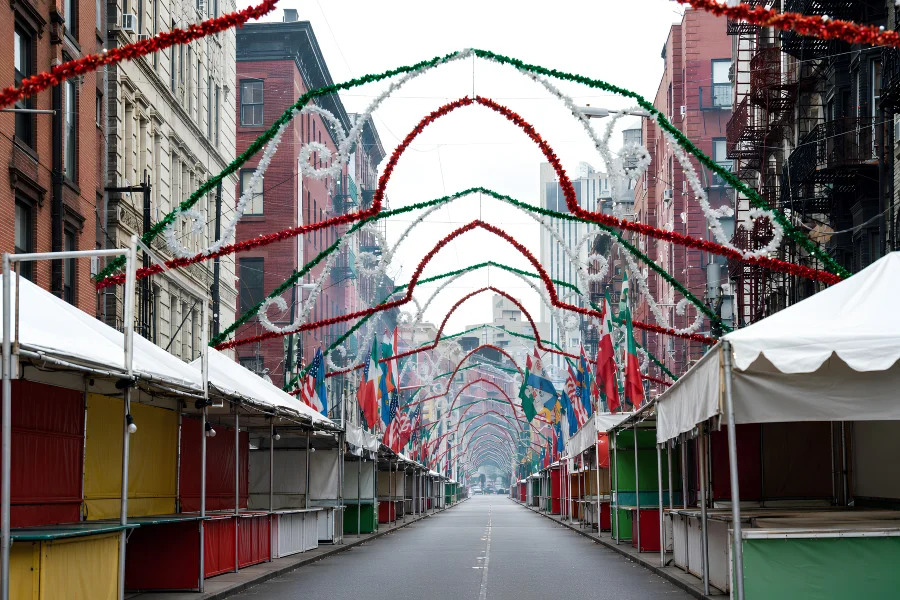
The food at most market stalls is good. But it is not universally better than what a proper kitchen produces. That is not why people are choosing it. They are choosing it because the experience is frictionless. No host stand. No waiting to be seated. No wonder the server forgot about you. No mental math on tip percentage. The guest walks up, orders, pays, eats, and leaves on their own terms. That level of control is what is driving restaurant customer preferences right now, especially among younger diners who have grown up with on-demand everything.
The rise of markets like Smorgasburg, Urbanspace, and the various seasonal food halls across Brooklyn and Manhattan is not accidental. These spaces offer affordable dining and NYC trends in action: high-quality food, reasonable prices, and zero commitment. The question for full-service restaurants is not how to compete on price. It is how to compete on experience in a way that justifies the friction.
What Food Stalls Get Right That Dining Rooms Get Wrong
Before you can fix the gap, you need to understand what is actually pulling guests away. It comes down to four things:
- Speed of Gratification: A food stall delivers the full experience in under ten minutes. A sit-down restaurant asks for 60 to 90 minutes of commitment before the guest knows if it was worth it. For a casual weeknight meal, that math increasingly favors the stall.
- Price Transparency: At a stall, the guest knows exactly what they are spending before they commit. No surprise upcharges, no wine list pressure, no ambiguity. Value perception restaurants struggle with it, often not being about the actual price. It is about the uncertainty around the final bill.
- Low Social Pressure: No dress code considerations. No tipping calculations. No awkward interaction if the food is just okay. The emotional cost of dining at a stall is near zero, which is why fast-casual restaurant growth continues to accelerate.
- Discovery Without Risk: Trying a new stall costs twelve dollars and ten minutes. Trying a new restaurant costs eighty dollars for an evening. The quick-service vs. full-service restaurant gap is widest here. Stalls let people experiment cheaply. Restaurants ask for commitment up front.
The Experience Gap You Can Actually Close
This does not mean full-service dining is dying. It means the bar for what justifies a sit-down experience has risen. Guests are no longer willing to tolerate friction just because a restaurant has a proper dining room. The experience has to earn the time and money it asks for. Here is where operators can close the gap:
- Speed Where It Matters: No guest should wait more than 90 seconds to be acknowledged after sitting down. No table should wait more than ten minutes for a first course after ordering. The kitchen choreography behind this is complex, but the guest does not care about your systems. They care about their time. Tightening these windows directly improves restaurant customer preferences’ alignment.
- Transparency on Value: Consider a section of the menu that is honest about being quick, affordable, and low-commitment. A bar snack menu, a lunch counter option, and a prix fixe that removes decision fatigue. Give guests a way to engage with your restaurant without the full production.
- Remove Invisible Friction: Digital payment options that do not require flagging a server. A menu that loads in seconds on a phone for guests who want to preview before arriving. A reservation system that confirms instantly. Every micro-frustration you eliminate brings you closer to the ease that stalls offer naturally.
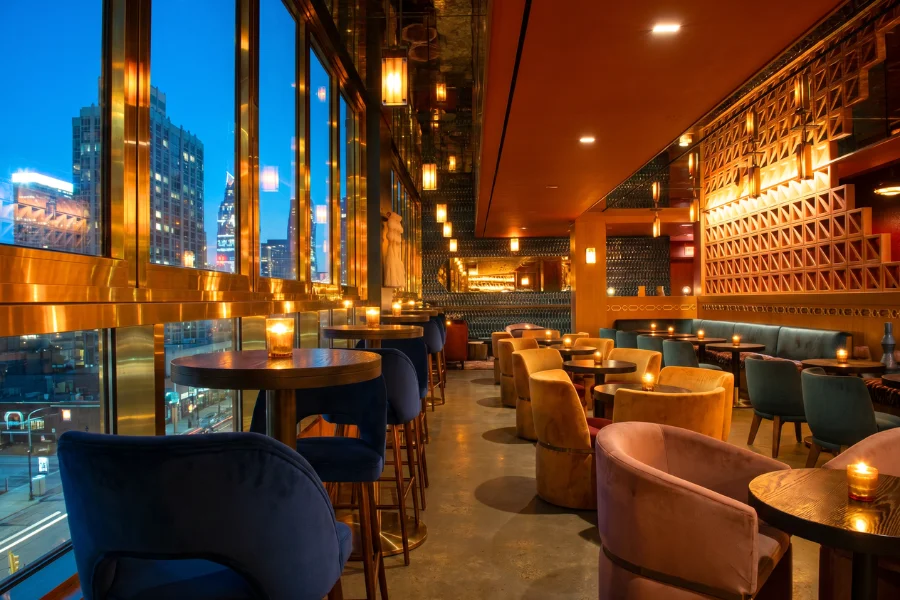
- Make the Experience Unmistakable: The one thing a food stall cannot replicate is atmosphere, service depth, and the feeling of being taken care of for an evening. If your dining room experience feels generic, the stall wins on convenience. If it feels genuinely special, you win with memories. Restaurant experience improvement starts with asking honestly: Is our dining room giving people something they cannot get standing at a counter?
Rethinking Value Without Racing to the Bottom
The worst response to this trend is to slash prices and try to be cheaper than a food stall. You will lose. Your rent, labor, and overhead make that a race to bankruptcy. The better response is to redefine what value means inside your four walls. Value is not just cost per plate. It is the total return on the guest’s investment of time, money, and attention. A restaurant that delivers a memorable two-hour experience, one that becomes a story the guest tells the next day, has provided extraordinary value even at a high price point. A restaurant that delivers a forgettable ninety minutes for the same price has provided poor value regardless of food quality. This is where the guest retention strategy connects directly to the food stall conversation. The guests you are losing to markets and stalls on casual occasions are often the same guests who would return for a special occasion if the experience justified it. Retaining them means giving them a reason to choose you when the moment matters, not competing for every Tuesday lunch.
Understanding the restaurant vs. food stall trend is not about copying what stalls do. It is about clarifying what you do that a stall never could, and making sure every guest feels that difference from the moment they walk in.
Your Brand Is Your Competitive Moat
Food stalls do not have brands in the traditional sense. They have products. A great taco, a signature dumpling, a viral cookie. The product is the entire pitch. A full-service restaurant has something a stall cannot build: a brand that lives in how the room feels, how the team speaks, how the evening unfolds, and how the guest feels walking out. That is a moat no twelve-dollar stall could cross. But only if you actually build it. Most restaurants operate with an assumed brand rather than an intentional one. They believe their identity is understood because they have a logo and an Instagram page. That is not a brand. A brand is the reason a guest chooses you over twelve easier, cheaper alternatives without hesitation.
Working with a restaurant branding agency in NYC, partnering to define and sharpen that identity is not a luxury expense. It is the foundation of every pricing decision, every marketing message, and every service standard you set. When restaurant marketing and branding in NYC work together as a unified system, the result is a restaurant that does not need to compete with food stalls because it is playing an entirely different game.
Stop Competing With the Stall. Out-Experience It
The food stall trend is not your enemy. It is a mirror. It shows you exactly where your dining experience has unnecessary friction, unclear value, or forgettable moments. Fix those, and the guests who left for the market will come back to the dining room.
My Chef Social works with Manhattan restaurant operators to build brands that do not compete on convenience. They compete on meaning, experience, and repeat demand.
Want to find the friction that is costing you covers?
Let’s review your guest journey (booking to payment) and identify the top fixes that bring casual diners back to the dining room.
Let’s make your dining room the obvious choice →
Frequently Asked Questions
Why are food stalls attracting more diners than restaurants in NYC?
Food stalls offer speed, price transparency, low commitment, and zero friction. The casual dining trends in NYC are driven by convenience and value perception, not food quality alone.
How can full-service restaurants compete with food stalls without lowering prices?
Focus on restaurant experience improvement rather than price matching. Tighten service speed, remove invisible friction, and deliver an atmosphere that justifies the time and money a sit-down meal requires.
What role does branding play in competing with casual food markets?
A strong brand is the one thing a food stall cannot replicate. Intentional restaurant marketing and branding in NYC gives guests a reason to choose your dining room over a cheaper, easier alternative.
How does guest retention connect to the food stall trend?
The guests choosing stalls for casual meals are often the same guests who return for special occasions. A smart guest retention strategy keeps your restaurant top of mind for the moments that matter most.
Is the food stall trend permanent?
The convenience expectations behind it are. Fast casual restaurant growth reflects a lasting shift in how diners evaluate time, money, and experience. Restaurants that adapt their value proposition will thrive