
High Food Costs Are Not Always the Problem: Uncontrolled Waste Usually Is
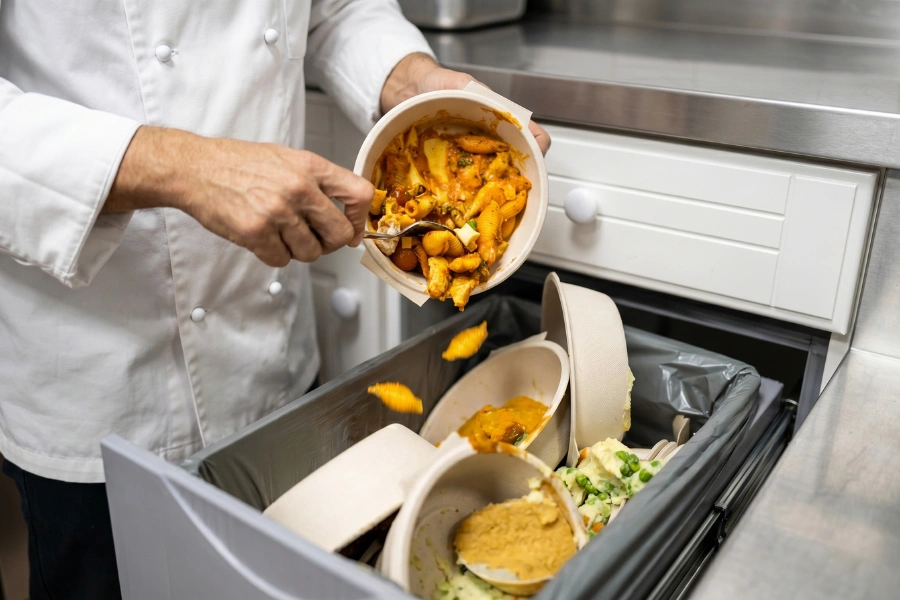
Many operators assume rising food prices are the primary reason margins are shrinking. In reality, a significant portion of lost profitability comes from poor inventory practices, over-ordering, spoilage, and unused product sitting in storage. At My Chef Social, we regularly see restaurants focus heavily on increasing revenue while overlooking opportunities to reduce the food waste that restaurant operations generate every day. The operators protecting the strongest restaurant profit margins are not simply buying better. They are managing inventory more effectively and treating waste reduction as a revenue strategy. The restaurants performing best in 2026 understand that every item thrown away has already been paid for.
Why Restaurant Food Waste Management Matters More Than Ever in 2026
Food costs, labor expenses, rent, utilities, and operational overhead continue to increase across New York City. That makes effective restaurant food waste management increasingly important for operators trying to maintain healthy margins. Unlike marketing expenses or labor investments, food waste generates no customer value. Spoiled inventory, unused ingredients, and production mistakes create direct financial losses that cannot be recovered.
The Hidden Cost of Restaurant Waste
Food waste affects profitability in multiple ways:
- Increased purchasing costs
- Higher disposal expenses
- Excess labor handling unused product
- Reduced inventory efficiency
- Lower overall profitability
Many restaurants focus on top-line revenue growth while missing opportunities to improve bottom-line performance through operational discipline.
Restaurant Inventory Control Is the Foundation of Profit Protection
The most successful waste-reduction programs begin with strong restaurant inventory control. Without accurate inventory tracking, operators cannot identify where losses occur or which products consistently generate waste. Inventory management is not simply an accounting function. It is a profitability function.
What Strong Restaurant Inventory Control Looks Like
High-performing restaurants typically:
- Conduct regular inventory counts
- Monitor usage patterns
- Track product variances
- Forecast purchasing needs
- Analyze menu performance
The objective is simple: purchase what the business needs rather than what it hopes to sell. Restaurants that improve restaurant inventory control often discover significant savings opportunities without changing menu pricing or guest volume.
Restaurant Dead Stock: The Inventory Problem Most Operators Ignore
One of the most expensive forms of waste is restaurant dead stock. Dead stock refers to inventory that was purchased but moves too slowly to be used before expiration or quality decline. These products often accumulate gradually and remain unnoticed until they become unusable.
Common Causes of Restaurant Dead Stock
Dead stock typically results from:
- Over-purchasing
- Seasonal menu changes
- Poor forecasting
- Vendor minimums
- Infrequently ordered menu items
A product sitting unused on a shelf may not appear problematic. From a financial perspective, however, it represents cash that has already left the business. The longer dead stock remains in storage, the greater the impact on profitability.
Walk-In Inventory Optimization Starts With Visibility
Many restaurant operators know exactly how much revenue they generated last week. Far fewer know exactly what sits inside their walk-in cooler. Effective walk-in inventory optimization requires visibility, accountability, and consistency.
Questions Every Operator Should Be Asking
- Which products are nearing expiration?
- Which items are consistently over-ordered?
- Which ingredients rarely leave storage?
- Which menu items drive the highest waste?
Restaurants that regularly answer these questions reduce spoilage and improve purchasing accuracy throughout the year.
FIFO Restaurant Inventory Systems Still Deliver Some of the Highest Returns
One of the simplest ways to reduce the food waste that restaurant operators generate is through proper FIFO restaurant inventory management. FIFO, or First In First Out, ensures older inventory gets used before newer inventory. The concept sounds basic. Its impact is substantial.
Why FIFO Restaurant Inventory Works
Benefits include:
- Reduced spoilage
- Better product rotation
- Improved freshness
- Lower waste percentages
- Stronger inventory accuracy
Restaurants that fail to maintain FIFO systems often experience avoidable losses that compound over time. Small operational inconsistencies eventually become significant financial problems.
Menu Engineering Food Waste Reduction Strategies That Improve Margins
Waste reduction is not only an inventory issue. It is also a menu issue. Many restaurants unintentionally create waste by offering items with low demand, unique ingredients, or limited shelf life. Effective menu engineering food waste strategies focus on simplifying execution while maximizing profitability.
What Menu Engineering Should Accomplish
A strong menu should:
- Increase ingredient cross-utilization
- Reduce specialty inventory requirements
- Improve purchasing efficiency
- Simplify kitchen operations
- Minimize spoilage risk
Menu Approach | Inventory Complexity | Waste Risk | Margin Impact |
Large Menu with Specialty Items | High | High | Variable |
Moderately Optimized Menu | Moderate | Moderate | Strong |
Cross-Utilized Menu Design | Low | Low | High |
The most profitable menus often require fewer ingredients than operators expect.
Restaurant Purchasing Strategy: Buy Smarter, Not More
One of the most common causes of waste is poor purchasing behavior. Restaurants frequently order based on assumptions rather than actual demand. An effective restaurant purchasing strategy combines historical sales data, seasonality, and inventory levels to guide buying decisions.
Purchasing Decisions That Reduce Waste
Successful operators typically:
- Forecast demand weekly
- Review inventory before ordering
- Adjust purchases seasonally
- Track product performance
- Monitor vendor pricing trends
The objective is not to eliminate inventory. The objective is to maintain the right inventory.
Conducting a Kitchen Waste Audit Reveals Hidden Profit Leaks
Many operators cannot accurately quantify how much food they waste each week. That is why a regular kitchen waste audit remains one of the most effective operational tools available.
What a Kitchen Waste Audit Measures
A quality audit tracks:
- Spoiled products
- Preparation waste
- Returned food
- Overproduction
- Expired inventory
Once operators identify where waste occurs, corrective action becomes significantly easier. The businesses that consistently audit waste often uncover profitability opportunities that would otherwise remain hidden.
Perishable Inventory Management Is a Revenue Strategy
Food waste is ultimately a purchasing and planning problem. Strong perishable inventory management helps restaurants balance product availability with operational efficiency. The goal is not to stock as much inventory as possible. The goal is to stock the right inventory at the right time.
Why Perishable Inventory Management Matters
Effective management supports:
- Better cash flow
- Lower spoilage
- Improved forecasting
- Higher inventory turnover
- Stronger profit protection
As food costs continue rising, inventory discipline becomes increasingly valuable.
Food Cost Reduction Restaurants Need to Start Long Before Service Begins
Many discussions about food cost reduction in restaurants need to focus on portion sizes or menu pricing. Those factors matter, but the largest savings opportunities often occur before products ever reach the kitchen line. Purchasing decisions, inventory management, menu engineering, and waste tracking create the foundation for long-term profitability. Restaurants that master these areas consistently outperform competitors that focus only on sales growth.
Lower Waste Creates More Than Better Margins
Reducing waste improves profitability. It also creates operational flexibility. Additional margin can be reinvested into staffing, guest experience improvements, technology, and growth initiatives. Restaurants that strengthen profitability often improve restaurant customer loyalty because they have more resources available to support service quality and consistency. Similarly, operators developing a late-night restaurant strategy benefit from tighter inventory controls because extended operating hours increase inventory complexity and spoilage risks. For operators focused on growth, waste reduction is not simply a kitchen initiative. It is a business strategy. Whether investing in operations, refining a restaurant brand strategy in NYC, or working with a restaurant marketing agency in NYC or a restaurant marketing company in NYC, protecting profitability starts with controlling the costs that never generate guest value.
Food Waste Is a Profitability Problem Before It Becomes a Sustainability Problem
The highest-performing operators in New York City do not view waste reduction as a compliance exercise. They view it as a competitive advantage. Every dollar lost to spoilage, dead stock, and poor inventory management is a dollar unavailable for growth, staffing, marketing, and guest experience improvements. Restaurants that prioritize restaurant food waste management, improve restaurant inventory control, and implement smarter purchasing systems will be better positioned to protect margins throughout 2026 and beyond.
At My Chef Social, we help restaurant operators develop growth-focused strategies that support stronger profitability, better operational efficiency, and sustainable long-term success. Protect your margins before rising costs erode them further.
Book your free strategy session today →
Frequently Asked Questions
What is the best way to reduce food waste in a restaurant?
The most effective approach combines strong restaurant inventory control, FIFO inventory practices, regular waste audits, and strategic purchasing decisions.
Why is restaurant food waste management important?
Restaurant food waste management helps reduce unnecessary expenses, improve profitability, increase inventory efficiency, and protect long-term business performance.
What is restaurant dead stock?
"Restaurant dead stock" refers to inventory that moves too slowly and becomes unusable before it can be sold or consumed.
How does menu engineering reduce food waste?
Effective menu engineering food waste strategies improve ingredient cross-utilization, reduce specialty inventory requirements, and minimize spoilage risks.
What is a kitchen waste audit?
A kitchen waste audit tracks spoiled products, preparation waste, overproduction, and expired inventory to identify areas where restaurants can reduce unnecessary losses.
How does food waste affect restaurant profit margins?
Food waste directly reduces restaurant profit margins because operators pay for products that never generate revenue, creating avoidable operational losses.