
HOME / INSIGHTS / Boutique Hospitality
Thoughtful Neighborhood Dining: Why Intimacy Is the New Reservation Flex
QUICK ANSWER
New Yorkers are making a quiet but measurable shift in where they choose to spend. The 2025 Deloitte Restaurant Industry Report found that 64 percent of urban diners now prioritize personal connection and familiarity over novelty when picking a restaurant.
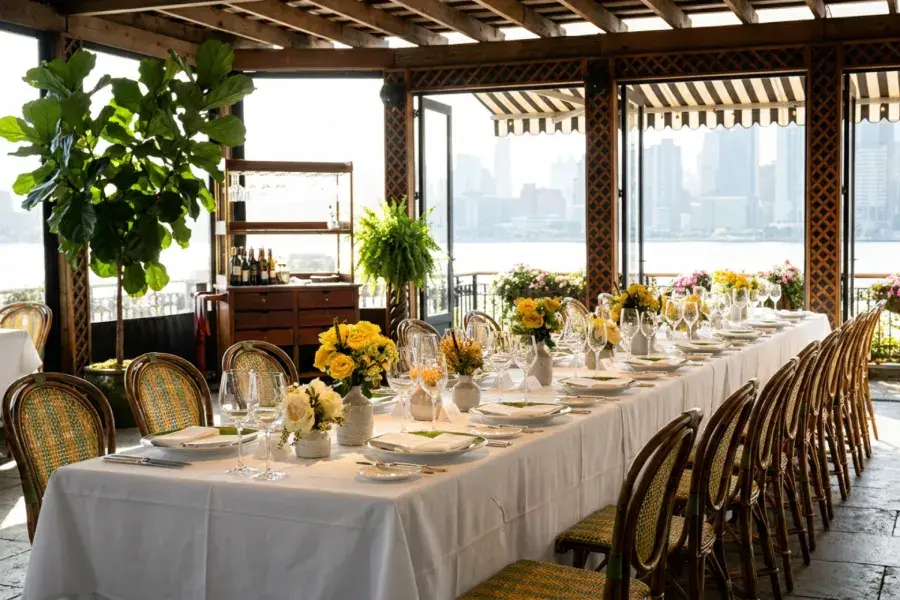
Big Rooms Are Losing to Small Ones
New Yorkers are making a quiet but measurable shift in where they choose to spend. The 2025 Deloitte Restaurant Industry Report found that 64 percent of urban diners now prioritize personal connection and familiarity over novelty when picking a restaurant. The National Restaurant Association’s 2026 Trends Forecast ranked neighborhood dining in NYC among the top five consumer preference shifts in dense metro markets. This is not a rejection of ambition. It is a rejection of anonymity. Diners are choosing the 38-seat Italian spot in the West Village, where the server remembers their wine, over the 200-seat Midtown opening with a six-week waitlist and no memory of their last visit. The numbers behind this shift are hard to ignore:
- Repeat visit rates at restaurants with fewer than 50 seats in Manhattan are 35 to 45 percent higher than at large-format venues, according to OpenTable’s 2025 Diner Behavior Study.
- Average check sizes at intimate, neighborhood-driven concepts are running 12 to 18 percent higher than comparable large-format restaurants in the same price tier.
- Guest-generated content (photos, stories, and tags diners post without being asked) indexes nearly three times higher for small, identity-driven restaurants than for high-volume operations.
What Makes a Restaurant Feel Like a Neighborhood Spot
The word “neighborhood” gets used loosely in hospitality. Every restaurant claims it. Very few actually build for it. The difference between a restaurant that happens to be in a neighborhood and one that genuinely functions as a neighborhood spot comes down to specific, deliberate choices.
- Recognition Over Reservation Systems: The guest does not need to explain who they are every time they walk in. Staff remembers faces, preferences, and history. This is where a strong restaurant brand voice begins, not in a tagline but in how your team speaks to a returning guest.
- A Menu That Reflects the Room, Not the Market: Neighborhood restaurants do not chase trends. They build menus that feel consistent, personal, and slightly unreplicable. The dish that only works in your room, with your chef, for your regulars is what makes it worth returning for.
- Scale That Serves Intimacy: Forty seats. Maybe sixty. Not three hundred. Intimate dining in Manhattan is not a limitation. It is a strategic choice that allows every guest to feel seen rather than processed.
- Design That Invites, Not Impresses: The room does not need to look like a magazine shoot. It needs to feel like somewhere you would come back to on a Wednesday without a reason. Warmth over spectacle. Comfort over curation.
Why Intimacy Is Becoming a Competitive Advantage
There is a practical, measurable reason why smaller, neighborhood-focused restaurants are outperforming larger operations on key metrics right now. The economics are shifting. The National Restaurant Association’s 2025 State of the Industry Report found that full-service restaurants with fewer than 75 seats in urban markets reported 22 percent higher guest return rates than those with over 150 seats. The Deloitte 2025 Hospitality Outlook reinforces the pattern: diners are spending more per visit at restaurants where they report a personal connection with the staff or the space. This creates a compounding effect:
| Metric | Large Format (150+ seats) | Neighborhood Format (under 75 seats) |
| Guest return rate within 60 days | 18% | 34% |
| Average check size on repeat visits | Flat or declining | 12 to 15% higher than first visit |
| Guest acquisition cost | Higher, paid media dependent | Lower, word-of-mouth driven |
| Staff-to-guest recognition | Low | High |
Source: National Restaurant Association, 2025 State of the Industry Report; Deloitte Hospitality Consumer Insights, 2025.
The restaurants winning on these numbers are not necessarily spending more on marketing. They are building the experience so the marketing happens naturally. That is the heart of authentic restaurant branding.
Building a Brand Around Belonging, Not Buzz
Most restaurant branding conversations start with logos, color palettes, and Instagram grids. For neighborhood restaurants, branding starts somewhere else entirely. It starts with the question: “What does it feel like to be a regular here?” Restaurants that answer that well tend to share a few traits:
- They treat digital as an extension of the room, not a replacement: The website feels like the restaurant. Social media sounds like the host. There is no disconnect between what a guest sees online and what they experience at the table. This is where thoughtful restaurant social media marketing NYC helps most, not through volume, but through consistency of voice and experience.
- They invest in a “digital front door” that matches the physical one: A guest searching for neighborhood dining in NYC on a Tuesday evening will likely land on your website before they land at your door. If the site is slow, cluttered, or feels nothing like your space, you may lose the guest before they ever consider a reservation. Strong restaurant website design in NYC is not about aesthetics alone. It is clarity, speed, and an online experience that supports the in-person one.
- They build unique dining concepts around identity, not imitation: The neighborhood restaurant that tries to be everything to everyone becomes nothing to anyone. The ones that commit to a point of view, cuisine, atmosphere, and relationship with their street are the ones that become irreplaceable. This is exactly where a bespoke restaurant experience becomes a competitive advantage, not a buzzword.
The Role of a Strategic Partner in Protecting Intimacy (As You Grow)
Here is the paradox that every successful neighborhood restaurant eventually faces: the things that make it special are hard to scale, systematize, or communicate without losing authenticity. The boutique hospitality model works because it feels personal. The moment it starts feeling produced, it stops working.
This is where the right hospitality marketing agency can be valuable, not as a megaphone but as a translator. Someone who understands what makes your room and team work, and can communicate that to the right audience without flattening your identity.
My Chef Social works with Manhattan restaurant operators as a restaurant branding agency in NYC to help define and protect the systems behind a consistent restaurant brand voice, from digital presence to brand standards that support the guest experience.
Start a conversation about your restaurant’s brand →
Book a table
If you are building (or re-building) a restaurant around belonging, the next step is simple: make it easy for guests to choose you on the everyday nights, not just the special ones. That is the real “reservation flex” in intimate dining Manhattan, and it is what keeps neighborhood dining NYC concepts thriving across dining trends 2026.
Book a table, come back twice, and notice the difference a truly bespoke restaurant experience makes when the room remembers you.
FREQUENTLY ASKED QUESTIONS
It refers to restaurants built around serving a local, returning community rather than transient or tourist-driven traffic. The focus is on recognition, consistency, and personal connection over scale.
Smaller rooms allow for higher staff-to-guest recognition, more consistent experiences, and stronger personal relationships, all of which drive repeat visits and higher per-visit spend.
It is less about polish and more about personality. The brand voice should feel like a conversation with your best server: warm, familiar, and specific to your restaurant’s identity.
Yes, but it requires systems that protect what makes it special. Brand guidelines, staff training frameworks, and a digital presence that mirrors the in-person experience are essential.