London's Straker and Mexico City's Olvera Are Betting on NYC This Fall: What Imported Restaurant Brands Change About Your Competitive Set
QUICK ANSWER
Thomas Straker is opening his first restaurant outside the UK in the old Lucky Strike space. Enrique Olvera is turning the former Atla into a bar. Operators arriving with an audience already built compete differently from a local opening, and that changes what a neighborhood restaurant should defend.
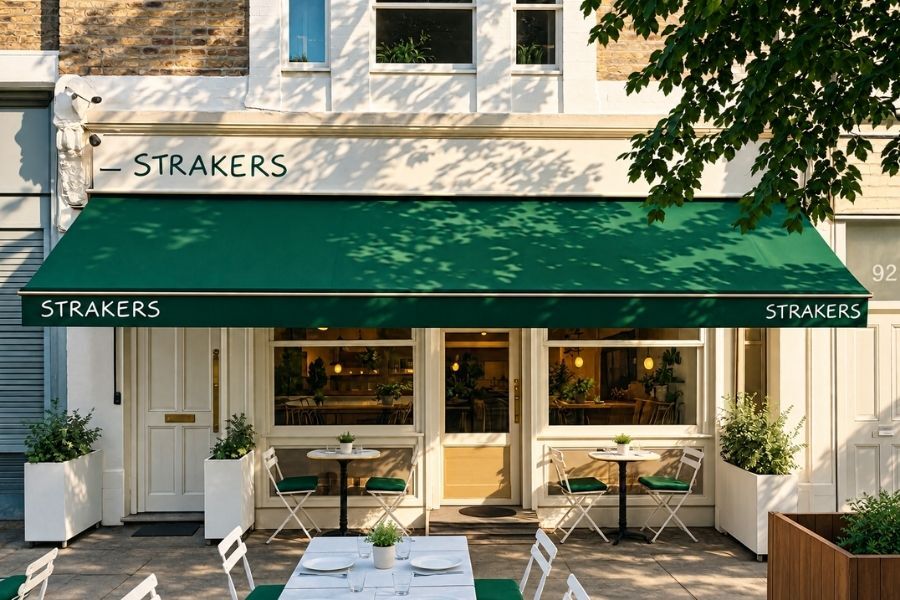
A new restaurant opening three blocks away is a normal event. A new restaurant opening three blocks away with a hundred thousand people already following the chef is a different kind of event, and most independent operators have no plan for the second one. Eater's fall preview reported both this month. London chef Thomas Straker is taking over the old Lucky Strike for his first restaurant outside the United Kingdom. Enrique Olvera, whose Atla ran in the same space for years, is converting it into a bar. Neither is starting from zero on attention, which is the whole point.
Why an imported brand is a different competitor
|
Local opening |
Imported brand |
What changes for you |
|
Builds an audience from scratch |
Arrives with one already |
Attention is immediate, not gradual |
|
Press interest is local |
Press interest is international |
Coverage volume is much higher |
|
Guests discover it nearby |
Guests travel to it deliberately |
Draws from outside your catchment |
|
Competes on food and price |
Competes on curiosity |
Your usual differentiators matter less |
|
Ramps up over months |
Peaks in the first weeks |
The pressure is front loaded |
Read the last row carefully, because it is the useful one. An imported brand's advantage is concentrated at the start. The curiosity that fills a room in week three does not necessarily fill it in month eight, which tells you both how to survive the opening and where the real opportunity sits.
What actually happens to nearby restaurants?
Two things, in sequence. For roughly the first month, a share of your discretionary demand goes to see what the fuss is about. That is unavoidable, and it is not a judgment on your food. Then a portion of that traffic comes back into the neighborhood having discovered the block, and some of it lands with you.
The mistake is treating the first phase as permanent and reacting to it. Discounting into an opening, changing your menu to compete, or matching a format you were never built for are all ways of damaging a business over a temporary dip. What actually protects a room through it is the thing that was protecting it before: being genuinely someone's regular place. A guest who comes for you rather than for novelty does not disappear because something new opened, which is the argument in our piece on neighborhood dining and intimacy.
What should you do in the weeks around an opening?
Four things, none of which involve competing on curiosity.
- Talk to your own list. An opening nearby is exactly when to remind regulars why they chose you, and it costs nothing.
- Do not change your menu. A room that reacts to a competitor by becoming less like itself loses on both counts.
- Make sure you are visible to the extra traffic. More people will be searching your block than usual, and you want correct hours and current photos when they do.
- Protect your quiet nights specifically, since that is where a temporary dip shows up first and hurts most.
That third point has real numbers behind it. Marqii's 2026 report found locations updating their Google hours even once average 177 daily search views against 42 for those that never touch the field. When a neighborhood gets more search volume than usual, the restaurants with accurate listings capture a share of it whether or not they were the destination. The approach is in our Google Maps guide.
Is there an upside to this?
Yes, and it is larger than the downside for most rooms. An imported brand spends its own money and press attention bringing people to your neighborhood who had no reason to come before. That is free footfall into your catchment, and it persists after the opening buzz fades. The restaurants that benefit are the ones visible and open when that traffic arrives. A guest who could not get into the new place, or who wants somewhere quieter afterwards, is choosing among whatever is nearby and looks worth it. Practically, that means being open the nights the new room is fully booked, having something obviously good for a walk-in, and being findable on a phone. It is the same opportunity as any event that moves extra people into a neighborhood, and the month is full of them, as mapped in our October revenue map.
What is the wider pattern this autumn?
Consolidation at the top, imports arriving, and a general shift toward casual formats. Daniel Boulud is merging three Lincoln Center restaurants into one 10,000 square foot all day brasserie. Daniel Humm is opening a more casual downtown room. A group behind the Smith and Parla is taking the shuttered Times Square Red Lobster. Straker and Olvera are moving into existing spaces rather than building new ones.
The common thread is capital going into rooms that can earn in several ways rather than into single service concepts. Given that full service margins sit at about 2.8 percent and the NYC Hospitality Alliance found 70 percent of city operators had margins squeezed last quarter, that is a rational allocation rather than a fashion. The cost context is in our margin protection guide.
What does an independent genuinely have that an import does not?
Time in the neighborhood, and the relationships that come with it. An operator arriving from London has an audience but no regulars. They do not know which local family comes every second Sunday, which office books the back table, or which regular's birthday is next month. That knowledge is the asset, and it only exists in rooms that have been paying attention. The risk is that it lives in one long serving server's head rather than in a system, in which case you lose it when they leave. Our guest data and CRM guide covers making it durable, and our piece on repeat guest revenue puts an annual number on what those relationships are worth.
How long does the opening effect last?
Shorter than it feels. The intense phase is usually the first four to six weeks, while press coverage is fresh and the room is hard to book. After that the new restaurant settles into whatever demand its actual quality and price sustain, which for most openings is considerably below the launch level. That matters for how you respond. A dip in weeks two to five is a curiosity effect, not a verdict on your restaurant, and reacting to it with discounts or menu changes locks in damage over something temporary. If your numbers are still down in month four, that is a genuine signal worth acting on. Track it deliberately rather than by feel. Note your covers and average spend for the four weeks before the opening, then compare month two and month four against that baseline. Most operators find the recovery is faster than their anxiety suggested.
Defend what you actually have
An imported brand opening nearby is a month of pressure followed by a permanent increase in people walking your street. Neither of those is a reason to change what you are. The restaurants that come out of it ahead are the ones that told their regulars they mattered, kept their menu intact, and made sure a curious stranger could find them at nine on a Tuesday. My Chef Social helps NYC restaurants hold their position when the block gets more competitive, from local search visibility to the retention work that makes an opening nearby irrelevant. Get in touch if something new is coming to your neighborhood.
FREQUENTLY ASKED QUESTIONS
Straker is a London chef opening his first restaurant outside the United Kingdom in the former Lucky Strike space, as reported in Eater's fall 2026 preview. It matters because he arrives with an existing audience and international press interest rather than building attention locally from scratch.
In two phases. For roughly the first month a share of discretionary local demand goes to see the new opening, then a portion of that traffic returns to the neighborhood having discovered the block. The pressure is front loaded and the footfall benefit is longer lasting.
No. Reacting by becoming less like yourself loses on both counts, since you neither match the new room's novelty nor keep the reason your regulars chose you. Protect the identity and talk to your existing guests instead.
Often yes. A well publicized opening spends its own money bringing people into your catchment who had no reason to come before, and restaurants that are visible, open and easy to walk into capture a share of that traffic permanently.
Regulars and neighborhood knowledge. An arriving operator has an audience but no relationships, and does not know which family comes fortnightly or which office books the back table. That knowledge only exists in rooms that have been there.
Capital moving toward rooms that can earn in several ways rather than single service concepts, including consolidation at the top, casual formats and operators taking over existing spaces. With full service margins around 2.8 percent, that is a rational response to cost pressure.