
Your Wine List Took Months to Build. Most Guests Never Hear the Story Behind It.
A thoughtfully built wine or beverage program represents a significant amount of expertise, sourcing effort, and craft, and most NYC restaurants market almost none of it. The menu sits on the table as a static list of names and prices, and the person who built it a sommelier, a bar director, or an owner with a genuine point of view on natural wine or craft cocktails- rarely appears anywhere in the restaurant’s content. At My Chef Social, we see this as one of the more consistently underused content opportunities available to NYC restaurants, particularly at a moment when natural wine, low-intervention producers, and distinctive beverage programs are drawing real, engaged interest online.
This piece connects to the corporate event positioning covered in our holiday party bookings guide: a distinctive, well-marketed wine or beverage program is a genuine differentiator when a corporate planner is comparing venues for a December event, since it signals a level of thoughtfulness and quality that a generic bar setup does not.
Why Beverage Program Content Performs Differently From Standard Food Content
A guest’s relationship with wine or cocktails is frequently more exploratory and identity-driven than their relationship with food. A diner may have a fixed idea of what they want to eat but be genuinely curious and open to guidance on what to drink, which creates a natural opening for content built around expertise and discovery rather than a straightforward product showcase. This is precisely the kind of specific, credibility-driven content that performs well across every platform covered in our restaurant TikTok marketing guide: a sommelier explaining why a specific bottle earned a spot on the list carries more weight than a generic “check out our wine list” post ever could.
The Sommelier-Led Content Playbook
1. Put the Person Behind the Program on Camera
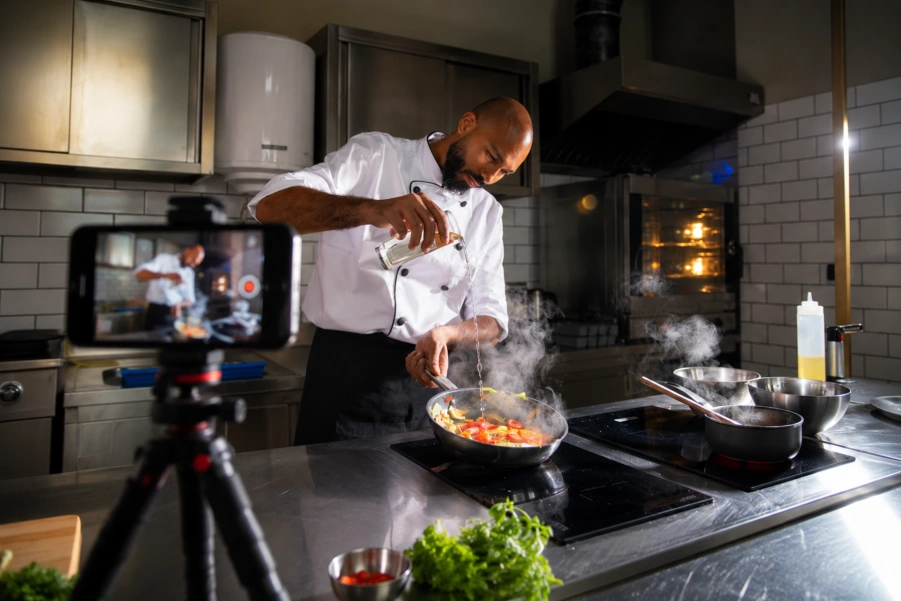
The single highest-leverage move available is simply making the sommelier, bar director, or beverage-focused owner a visible, recurring presence in the restaurant’s content, following the personality-led content model covered in our behind-the-scenes content guide. A face and a genuine point of view behind the wine list builds a level of trust and authority that a static menu simply cannot.
2. Tell the Story Behind Specific Bottles or Cocktails, Not the Whole List at Once
Content built around one specific bottle, its producer, its region, and why it earned a spot on this particular list consistently outperforms a broad tour of an entire wine program. This mirrors the specificity principle that runs throughout our content guidance: a guest remembers one compelling story about one bottle far more than a generalized overview of dozens.
3. Lean Into the Natural Wine and Low-Intervention Trend Where It Fits Your Concept
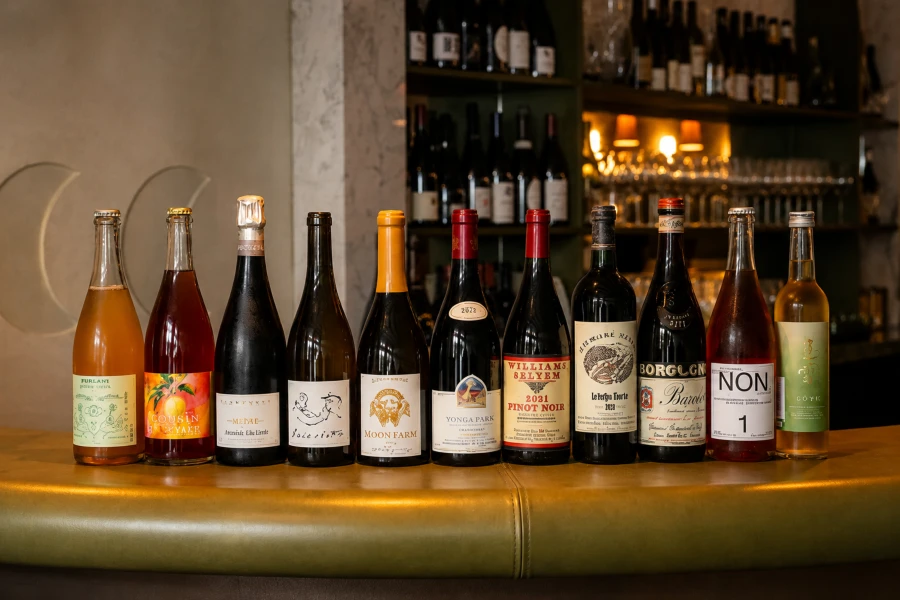
Natural wine and low-intervention producers continue to draw strong organic interest from a specific, engaged NYC dining audience. A restaurant whose concept genuinely supports this direction has a real opportunity to build a distinctive identity around it, rather than competing on a generic, conventional wine list that reads the same as dozens of other restaurants’ offerings.
4. Use the Beverage Program to Differentiate Rooftop and Outdoor Service
A signature cocktail program is one of the strongest differentiators for outdoor and rooftop dining specifically, a point covered directly in our rooftop marketing guide: drinks drive rooftop margin at a rate food rarely matches, and a well-told story behind a signature seasonal cocktail gives guests a specific reason to choose your outdoor space over a competitor’s.
5. Price the Program to Reflect Its Actual Expertise and Sourcing Effort
A wine or cocktail program built with genuine sourcing effort and expertise deserves pricing that reflects that value, following the same principle covered in our restaurant pricing strategy guide: a well-told story about why a bottle costs what it costs is one of the more effective tools for justifying a premium price point without needing to discount.
6. Recognize That Beverage Decisions Are Frequently Social and Group-Driven
A meaningful share of wine and cocktail ordering decisions happen in a group dining context, where one confident recommendation shapes what the whole table orders, a dynamic touched on in our piece on group dining decision-making. A well-trained, personable server who can make a confident, specific beverage recommendation is, functionally, a piece of marketing content delivered live at the table.
Static Wine List vs. Sommelier-Led Content Strategy
Approach | Guest Engagement | Perceived Value | Differentiation From Competitors |
Static: printed list, no story or personality | Low, guests default to familiar choices | Neutral, price is the primary signal | Minimal, reads similarly to competitors |
Sommelier-led: visible expert, specific bottle stories, social content | Higher, guests engage with the story | Elevated, expertise justifies price | Strong, builds a distinctive identity |
This comparison reflects directional, qualitative patterns rather than a specific measured study, and should be evaluated against your own guest engagement and average check data.
Ready to turn your wine or beverage program into a genuine marketing asset?
The restaurant social media marketing and restaurant branding team at My Chef Social builds the content and positioning strategy that puts your beverage program’s real expertise on display.
A Final Word: Expertise That Isn’t Visible Doesn’t Build Trust
A wine or cocktail program built with real care and expertise is one of the more distinctive assets a restaurant has, and it is consistently the least marketed. The restaurants putting that expertise on camera, telling the specific stories behind specific bottles, and letting the people behind the program become a visible part of the brand are building a level of guest trust and differentiation that a generic list, however well-curated, cannot generate on its own.
At My Chef Social, we help NYC restaurants find and market the expertise they’ve already built, rather than leaving it buried on a printed page.
Book your free growth audit today
Frequently Asked Questions
Why is beverage program content different from standard restaurant food content?
Guests are often more exploratory and open to guidance about what to drink than what to eat, creating a natural opening for expertise-driven, discovery-oriented content. A sommelier or bar director explaining why a specific bottle or cocktail earned a spot on the menu builds a level of trust a generic product showcase does not.
Should restaurants feature their sommelier or bar director in content personally?
Yes. Making the person behind the beverage program a visible, recurring presence in content builds credibility and a genuine point of view that a static wine list or cocktail menu cannot convey on its own.
Is natural wine still a strong trend to build content around in 2026?
Natural wine and low-intervention producers continue to draw strong, engaged interest from a specific segment of the NYC dining audience, and restaurants whose concept genuinely supports this direction have a real opportunity to build a distinctive identity around it.
How does a strong beverage program help with rooftop or outdoor dining marketing?
A signature cocktail program is one of the strongest differentiators for outdoor and rooftop service specifically, since drinks drive rooftop margin at a rate food rarely matches, and a well-told story behind a seasonal cocktail gives guests a specific reason to choose one rooftop over another.
Can beverage program pricing reflect its actual quality without feeling like an upsell?
Yes, when the pricing is supported by a genuine, specific story about sourcing, production, or craft. A well-told explanation of why a bottle or cocktail costs what it does is one of the more effective ways to justify premium pricing without resorting to a discount.