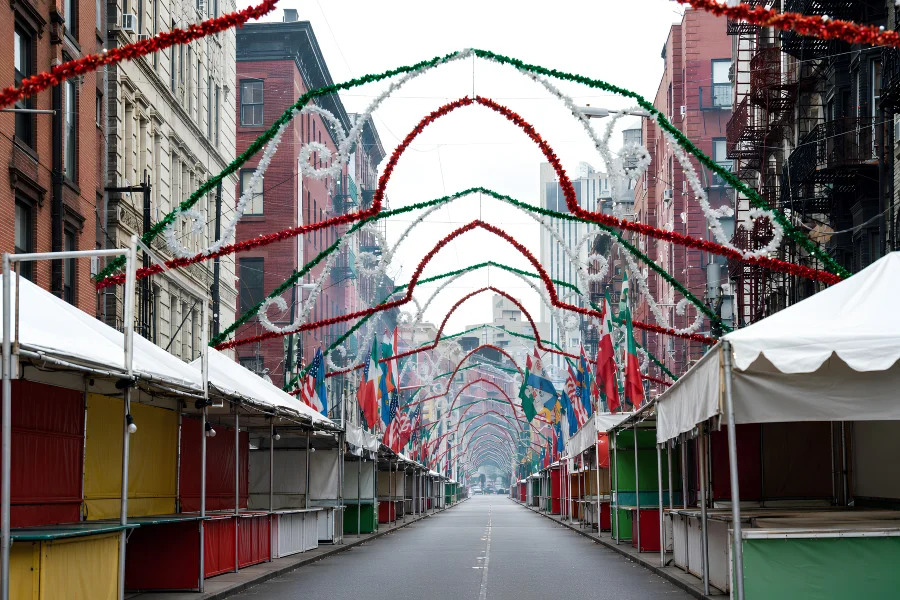

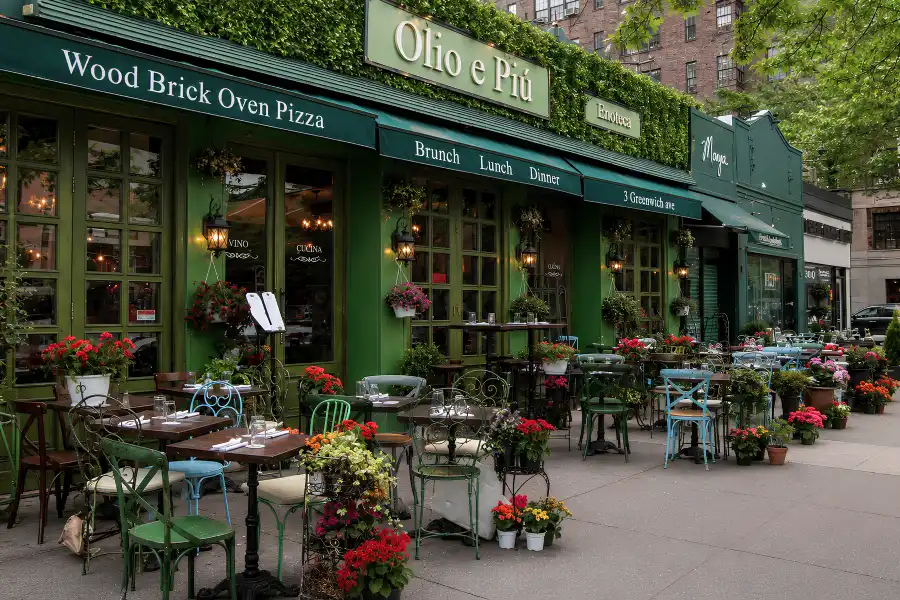
Every fall, restaurant owners hit the same wall. The shed has to come down, the materials have to go somewhere, and the outdoor revenue that’s been paying for itself since spring just stops. Some operators treat that like a facilities problem: call the crew, break it down, move on. The ones who do better with it treat it like a deadline that deserves its own plan, not an afterthought tacked onto the end of the season.
Two Programs, Two Very Different Rules
Dining Out NYC is the city’s permanent outdoor dining program, run by the Department of Transportation. It replaced the emergency Open Restaurants setup from the pandemic years, along with the older sidewalk cafe rules that used to sit with a different city agency. Before you can plan anything, it helps to know which category your setup actually falls into, because the rules genuinely diverge from there.
Roadway Cafes
This is the shed out in the curb lane or old parking spot. A few things to know:
- It can operate from April 1 through November 29. After that, it comes down. No exceptions built into the current rule.
- It has to be fully removed and stored, not just tarped over for the winter.
- Barriers are required on the sides that don’t face the restaurant, and there are specific material and siting standards attached to that.
- It can’t sit in a no-standing zone, a bus stop, or a bus lane.
Sidewalk Cafes
This is seating on the actual sidewalk in front of your door.
- It can run year-round. No seasonal shutdown built in.
- It can’t block the sidewalk furnishing zone or eat into the required clear path for pedestrians.
- It still needs its own license and revocable consent from DOT, with its own design rules.
Both types need that license and consent from the city, and the review process is not fast. If you’re thinking about next season already, that’s the right instinct. Waiting until spring to start the paperwork tends to cost restaurants real weeks of the following season.
The November 29 Deadline Is Also a Marketing Deadline
Most owners look at that date and think construction. Break it down, put it in storage, deal with it. That’s the right instinct operationally, but it misses something. The two or three weeks before that deadline are the last real window to sell roadway seating this year. After it, guest habits shift, and if nobody told them where to go next, they just don’t come back outside.
A restaurant that quietly tears down its shed one Tuesday morning sends no message at all. A restaurant that runs a short “last chance for outdoor seating” push in the weeks leading up to it, timed against the restaurant marketing calendar, gives guests an actual reason to book before it’s gone instead of letting the demand just evaporate.
Sidewalk Seating Is the Channel Most Restaurants Forget About
Here’s the part that gets missed constantly. Because sidewalk cafes don’t have to come down, that seating stays a real, usable revenue channel well into winter, assuming it’s heated and weatherproofed properly. Most restaurants stop marketing it the second it gets cold, even though the space is still sitting right there.
The restaurants that keep promoting sidewalk seating as its own thing, not just an extension of the dining room nobody mentions, tend to hold onto guests who specifically want that in-between outdoor experience even in December. This connects directly to the seasonal prep work covered in our guide on sidewalk seating readiness, which walks through what it actually takes to keep that space functional and worth sitting in once the sheds are gone.
Compliance Doesn’t Have to Just Be a Cost Center
All those barrier rules, material requirements, clear path specs, they’re usually filed under “regulatory headache.” They don’t have to be. A well-built, code-compliant outdoor setup photographed well is a design choice as much as a legal one, and it can be marketed that way instead of hidden. That’s the same logic behind our approach to rooftop and outdoor dining marketing: make the outdoor space a reason someone picks you, not something they discover after they’ve already walked in.
And don’t skip the basics on local search. A lot of people looking for heated or outdoor seating nearby start on Google Maps, not Instagram. If your listing and photos aren’t current through solid Google Maps restaurant marketing, you may not even show up in that search to begin with.
Get Next Year’s Application Moving Now
Since both cafe types need a license and revocable consent, and that review can take considerably longer than people expect, fall is actually the smart time to start next year’s roadway application, not February. Restaurants that leave it until late winter tend to lose the first few weeks of the following spring waiting on approval that could have been in motion months earlier.
Fold that timeline into the same calendar you’re using for marketing. If the shed needs to be back up by early April, work backward from there to figure out when the paperwork has to go in, instead of finding out the gap exists once the weather turns and the approval still hasn’t landed.
A Few Things Worth Doing Before the Season Ends
- Nail down your exact removal date and build the marketing push backward from it.
- Run a short, clearly dated campaign for the final weeks of roadway seating.
- Check whether sidewalk seating is actually winter-ready: heat, weatherproofing, clear path compliance.
- Update your Google Business Profile and website the same week the shed comes down, so nobody’s searching for seating that’s already gone.
- Make sure front-of-house staff know the plan, so a guest calling to ask about outdoor seating gets a straight answer instead of three different ones.
- Keep an eye on outdoor versus indoor covers in your weekly P&L review, so the actual revenue shift shows up clearly instead of getting buried in a monthly total.
The Deadline Isn’t Going Anywhere. Your Plan Around It Can Change
November 29 is fixed. What happens to your revenue because of it doesn’t have to be. The restaurants that build their marketing calendar around this transition, instead of scrambling once the shed is already in storage, hold onto more of what they built over the summer and actually carry some of it into winter. It’s a small shift in planning that pays off every single year the deadline comes back around.
My Chef Social helps NYC restaurants plan exactly this kind of seasonal shift, from the last push before roadway removal to keeping sidewalk seating booked through the cold months. Reach out to our team if you want a fall and winter outdoor dining plan in place before this year’s deadline hits.
Book your free growth audit today
FAQs
When do NYC roadway dining sheds need to be removed for the season?
Under the Dining Out NYC program, roadway cafes may operate from April 1 through November 29 and must be fully removed and stored during the off-season.
Can sidewalk cafes stay open through the winter in NYC?
Yes. Unlike roadway cafes, sidewalk cafes are not subject to the seasonal removal requirement and may operate year-round under Dining Out NYC.
Do restaurants need a permit for both roadway and sidewalk seating?
Both cafe types require a license and revocable consent from NYC DOT, along with compliance with specific siting and design criteria for each category.
How long does it take to get approved for outdoor dining in NYC?
The review process is reported to take considerably longer than a quick turnaround, so restaurants planning next season's setup should apply well before the current one ends.
How should restaurants market the transition from roadway to sidewalk seating?
Promoting the final weeks of roadway seating before removal, then shifting marketing toward a winter-ready sidewalk seating experience, helps carry outdoor dining demand into the colder months instead of losing it.