
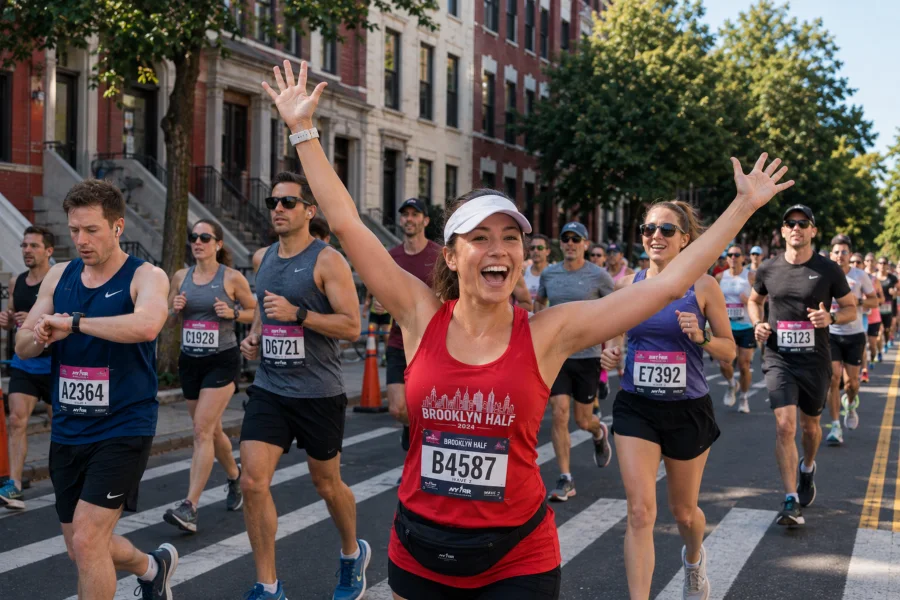
The TCS New York City Marathon lands on Sunday, November 1, 2026, marking the 50th running of the five-borough course. More than 50,000 runners and over two million spectators fill the streets that weekend, which makes it one of the single biggest concentrated dining opportunities on the city’s calendar. Most restaurants near the route know this instinctively. Fewer actually build a specific plan around it, and that’s usually the gap between a normal busy Sunday and a weekend that meaningfully moves the month’s numbers.
Marathon Weekend Isn’t One Event, It’s Three
Treating marathon weekend like a single Sunday rush misses most of the opportunity. There are really three distinct dining moments tied to the race, and each one has a different crowd, a different mood, and a different menu that works best.
- Saturday night, the carb-load dinner, driven by runners looking for a specific kind of meal before an early wake-up call.
- Race day itself, spectator dining along the route, driven by people standing outside for hours who need somewhere close, fast, and easy to duck into.
- Sunday afternoon and Monday, the recovery meal, driven by exhausted runners and their families who want something substantial and are done standing around.
A restaurant near the course that only thinks about race-day walk-ins is leaving two of those three windows almost entirely on the table.
Owning the Saturday Night Carb-Load Dinner
Runners take the night before a marathon seriously. Pasta, bread, simple proteins, nothing too rich or unfamiliar, and ideally somewhere that isn’t packed to the point of a long wait, since an early alarm the next morning makes a two-hour dinner a hard sell. Restaurants near the expo at the Javits Center, and near hotels where out-of-town runners tend to stay, have a real opening here if they market specifically to that need rather than running a generic Saturday special.
A short, clearly labeled “pre-race dinner” promotion, timed to the expo dates and built into the restaurant marketing calendar the same way other major NYC events get planned for, gives runners a reason to choose your dining room over the dozen other options within a few blocks of their hotel.
Reading the Route Like a Menu
The marathon route begins on Staten Island goes across the Verrazzano-Narrows Bridge and then heads into Brooklyn for the part of the race. After that it keeps going through Queens crosses the Queensboro Bridge and moves into Manhattan. It then goes briefly into the Bronx. Finally comes back down to the finish line in Central Park. Each restaurant that is, on this route has a kind of group of people watching the race depending on where it is located.
Restaurants near the Manhattan stretch on First Avenue get a crowd that’s always on the go. These people are really excited. They are right in the middle of the loudest part of the course.
On the hand Restaurants near the Central Park finish get to see the happiest moment of the day. This is where families wait to see their loved ones who just finished running.
Restaurants need to know which kind of crowd is outside their door. This will help them decide how to set up the seats and what to say to the people who come in that weekend. Restaurants near the Manhattan stretch on First Avenue and Restaurants near the Central Park finish should think about this when they are getting ready, for the day.
Brooklyn Restaurants Have the Longest Runway
Brooklyn carries the biggest share of the course, and that means Brooklyn restaurants along the route have the longest window of spectator traffic of any borough on race day. Neighborhoods along the path see people camped out for hours before their runner comes through, which makes a restaurant that can turn tables quickly, offer easy grab-and-go options, and stay open through the entire stretch of race hours a natural fit for that crowd.
This is a similar playbook to what we’ve built around other major NYC street events, like the approach covered in our Pride Parade dining strategy: when a huge, slow-moving crowd is going to be standing outside your restaurant for hours regardless of what you do, the only real choice is whether you actively capture that foot traffic or let it walk past to whichever spot happens to have a sign in the window.
Spectator Brunch Is an Underused Angle
Race day itself starts early and the emotional high point, the finish, happens midday to early afternoon for most runners. That leaves a real window for a spectator brunch or all-day dining option for people who’ve been standing on a Brooklyn sidewalk since 9am and want a real seat, a real meal, and a bathroom that isn’t a porta-potty line.
Positioning a brunch menu specifically as a marathon-day spectator option, rather than just running your standard weekend brunch, ties directly into the seasonal thinking behind our piece on brunch profitability in NYC: a crowd that’s already decided to spend the day outside is primed to spend on food and drinks if you make the option obvious and easy to find.
Winning the Same-Day, Same-Block Search
A huge share of marathon weekend traffic isn’t planned days in advance. It’s someone standing on a corner deciding where to eat in the next fifteen minutes, and that decision usually starts with a phone, not a reservation app. Making sure your listing, hours, and photos are current and accurate through solid Google Maps restaurant marketing matters more on marathon weekend than almost any other weekend of the year, since so much of that day’s traffic is being decided in real time, block by block.
This is also the model we’ve used for other single-day, high-volume dining events, like the approach outlined in our US Open dining guide: treat the surrounding weekend as a full campaign, not just a day you happen to be open.
A Few Things Worth Doing Before Race Weekend
- Build a Saturday night carb-load promotion aimed specifically at runners staying nearby, not a generic weekend special.
- Identify exactly where your restaurant sits relative to the course and match your seating and speed of service to that specific crowd.
- Set up a fast, easy-to-grab menu option for spectators who won’t want to sit for a long meal.
- Promote a marathon-day brunch or all-day dining option specifically for spectators, not just your usual weekend crowd.
- Update your Google Business Profile hours and photos the week before, since walk-in decisions that day happen fast.
Three Meals, One Weekend, a Lot Left on the Table
Marathon weekend brings more concentrated foot traffic to this city than almost anything else on the calendar, and most of it walks right past restaurants that never bothered to plan for it specifically. The ones who treat Saturday dinner, race-day spectating, and Sunday recovery as three separate opportunities tend to walk away from the weekend with a lot more than the ones who just hoped the crowd would wander in.
My Chef Social helps NYC restaurants build marketing plans around exactly this kind of high-traffic weekend, from carb-load dinner promotion to real-time local search visibility on race day. Reach out to our team to build your marathon weekend plan before the course fills up with runners and spectators again.
Book your free growth audit today
FAQs
When is the 2026 NYC Marathon and why does it matter for restaurant planning?
It falls on Sunday, November 1, 2026, the 50th running of the five-borough course, drawing over 50,000 runners and more than two million spectators across a single weekend.
What should restaurants near the Brooklyn route focus on?
Brooklyn carries the longest stretch of the course, so restaurants there see the widest window of spectator traffic and benefit most from fast table turns and grab-and-go options.
Is a marathon-day brunch worth promoting separately from a regular weekend brunch?
Yes. Spectators who've been standing outside for hours are primed for a real seated meal, and labeling it specifically as a marathon-day option makes the choice obvious.
How important is Google Business Profile accuracy during marathon weekend?
Very. Much of race-day foot traffic is decided block by block in real time, so current hours and photos directly affect walk-in decisions.
Should restaurants plan separately for the Saturday carb-load dinner?
Yes. Runners look for a specific kind of low-risk, easy-to-digest meal the night before, which is a different crowd and different menu need than race-day spectator traffic.