Daniel Boulud Just Merged Three Restaurants Into One 10,000 Sq Ft Brasserie. Here's What That Says About Manhattan Economics.
QUICK ANSWER
Daniel Boulud is collapsing three longtime Lincoln Center restaurants into a single all day brasserie. Daniel Humm is opening a deliberately more casual room downtown. When the top of the market trades ceremony for volume and hours, that is a signal every Manhattan operator should read.
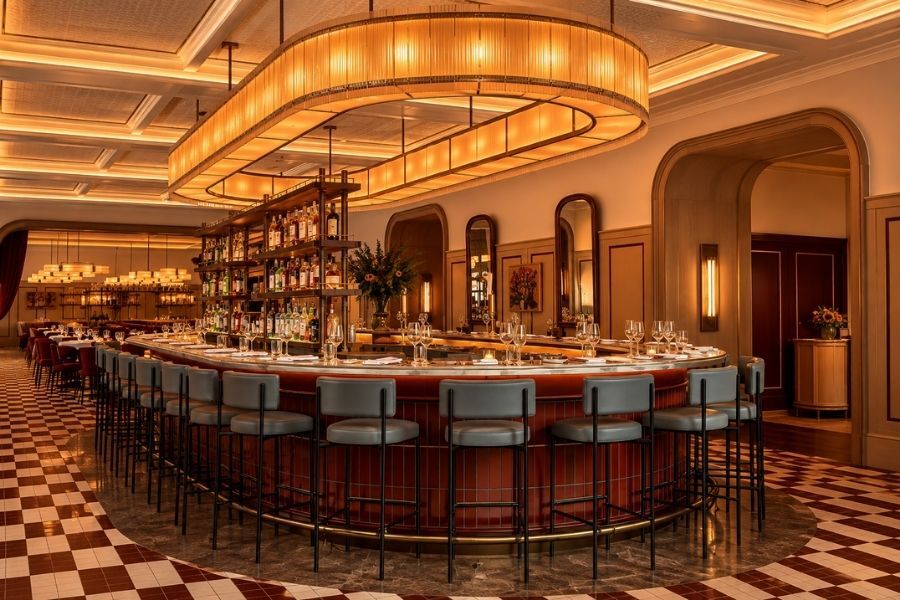
It is tempting to file this under celebrity chef news and move on. Do not. Two of the most decorated operators in New York are making the same structural bet at the same time, and the bet is about hours, footprint, and how many ways one kitchen can earn. Eater reported the fall lineup on September 8. Boulud is combining his three restaurants across from Lincoln Center into one 10,000 square foot brasserie designed by Rockwell Group, open for breakfast, lunch and dinner, with a large central bar, private dining rooms and a tucked away speakeasy. The menu leans classic French; pre- and post theater menus return, and mornings bring coffee and croissants. Humm, meanwhile, is heading downtown with a more casual restaurant from the Eleven Madison Park team, taking over the former En Brasserie with an à la carte seasonal menu.
What is the actual change here?
Three separate concepts became one room with more dayparts. That is the whole story, and it is worth sitting with. The old model was three distinct identities, three kitchens, three sets of overhead, each earning across a narrow band of the day. The new model is one large room earning from breakfast through post theater service, with private dining and a bar absorbing whatever the dining room does not.
|
Old structure |
New structure |
What it changes |
|
Three concepts, three kitchens |
One room, one kitchen |
Shared prep, shared labor, one set of systems |
|
Mostly dinner focused |
Breakfast, lunch, dinner, post theater |
More revenue hours from the same lease |
|
Three brands to market |
One brand at scale |
Marketing spend concentrated instead of split |
|
Fixed seating logic |
Bar, dining room, private rooms, speakeasy |
Multiple price points inside one address |
Why would a three star operator go more casual?
Because the math on ceremony has gotten harder. National Restaurant Association data reported by Restaurant Business puts full service margins at 2.8 percent, with food and labor costs both up roughly 35 percent since 2019. A tasting menu room carries the highest labor intensity per cover in the business. A brasserie serving croissants at 8 am and steak frites at 10 pm spreads the same rent across far more hours.
Eater's own read on the season is that chefs are going more casual, and that new rooms are being designed as much for regulars as for opening night buzz. That is a frequency strategy, not a prestige strategy. It is the same logic behind our piece on why repeat guests drive more revenue than new ones: predictable, repeatable visits absorb cost volatility better than occasional big nights.
What does this mean for a restaurant with 45 seats?
You cannot copy the footprint. You can copy the thinking. The transferable idea is not the 10,000 square feet; it is the question underneath it: how many hours of the day is your lease actually earning? Most independent Manhattan rooms earn across a narrow window. Dinner, maybe weekend brunch. The rent, the insurance, and the base labor do not care. Adding one credible daypart to an existing room is the cheapest capacity increase available, because the space and much of the staff are already paid for.
- Look at what your kitchen already produces well that could sell earlier. Not a whole new menu, one or two things.
- Check whether a bar or counter seat can carry a different price point than your tables, so one room serves two budgets.
- Treat private dining and groups as a channel rather than an occasional inquiry. It is the highest margin use of space you already have.
- Consider whether pre theater or pre event timing works for your location, which is the specific play we broke down for the Tony Awards.
The margin case for spreading fixed cost across more revenue surfaces is covered properly in our margin protection guide, and the daypart version of it sits in our piece on turning slow weeknights into revenue.
Is consolidation a warning sign or a growth move?
Both, and the honest answer is that it depends on whose balance sheet you are reading. For an operator with three underused rooms in one location, merging them is straightforward efficiency. For the market, it says that even at the top, running multiple distinct concepts in Manhattan is harder to justify than running one that works across more hours. Read it next to what closed in early September. Double Zero shut after twelve years, citing rising costs, its lease, and a slowdown in plant based dining. Candle announced it would close at the end of September over costs and debt. Max Brenner closed Union Square after twenty years. Different formats, same pressure. And the NYC Hospitality Alliance found in August that 70 percent of city operators had margins squeezed in the second quarter even while sales grew. Consolidation at the top and closures in the middle are two responses to the same arithmetic, which is the context in our Q4 revenue playbook.
The part that is easy to miss
Boulud kept the pre- and post theater menus and brought back the DB Burger. A 10,000-square-foot rebuild, and two of the most publicized details are a timing based menu and a familiar dish people already love. That is a room being designed around what its guests reliably want rather than around what would impress a critic. For a neighborhood restaurant, that is the actual lesson, and it costs nothing to apply. Know the two or three things your regulars come for and protect them through every menu change. Our piece on neighborhood dining and intimacy makes the case that being irreplaceable to a small group beats being interesting to a large one.
What an all day model actually demands
Adding a daypart sounds free and is not. Breakfast means someone in the building hours earlier, a separate prep list, and a menu that cannot lean on your dinner mise. The rooms that make it work usually share ingredients across services deliberately, so the same braise, the same bread, and the same pastry program appear in more than one service rather than each daypart carrying its own cost. It also demands that the room look right at every hour. A space designed for candlelit dinner service often looks tired at 9 am, and a space designed for coffee can feel thin at 8 pm. That is part of why Boulud's version is a full rebuild rather than a schedule change, and it is the honest reason most small rooms should add a service rather than attempt all day trading. The test before committing is simple. Can your kitchen produce the new daypart without additional prep labor, and does your room read well at that hour? Two yes answers make it worth trying for a month.
What to do with this
Nobody needs to merge anything. The useful exercise is an hour with your own numbers: which hours of your day earn, which hours only cost, and whether one more daypart or one more channel could carry some of the rent. The largest operators in the city just answered that question by rebuilding. A smaller room can usually answer it by adding a service and telling people about it. My Chef Social helps NYC restaurants find and market the revenue surfaces they already have, from private dining and pre event service to the guest systems that make new dayparts fill. Get in touch if you want to know which hours of your week are actually working.
FREQUENTLY ASKED QUESTIONS
Daniel Boulud is combining his three longtime restaurants across from Lincoln Center into a single 10,000 square foot brasserie designed by Rockwell Group, serving breakfast, lunch, and dinner with a central bar, private dining rooms, and a speakeasy. Pre and post theater menus return, along with the DB Burger.
Cost structure. Full service margins sit at about 2.8 percent while food and labor costs are up roughly 35 percent since 2019, and a tasting menu format carries the highest labor cost per cover. An all day room spreads the same rent and base labor across far more revenue hours.
The question behind it rather than the scale. How many hours of the day is your lease earning, and could one additional daypart, bar price point, or private dining channel carry part of your fixed cost using space and staff you already pay for?
It is a sign that running several distinct concepts in Manhattan is harder to justify than running one that works across more hours. Read alongside the September closures and the finding that 70 percent of NYC operators saw margins squeezed last quarter, it reflects cost pressure rather than falling demand.
A more casual restaurant from the Eleven Madison Park and Clemente Bar team, taking over the former En Brasserie, with a seasonal modern American a la carte menu and interiors by Pierre Yovanovitch.