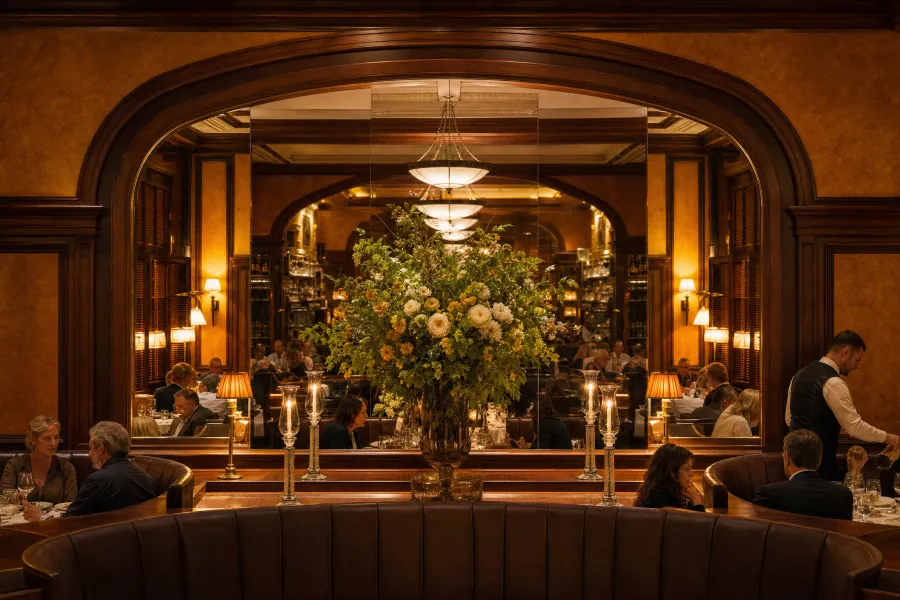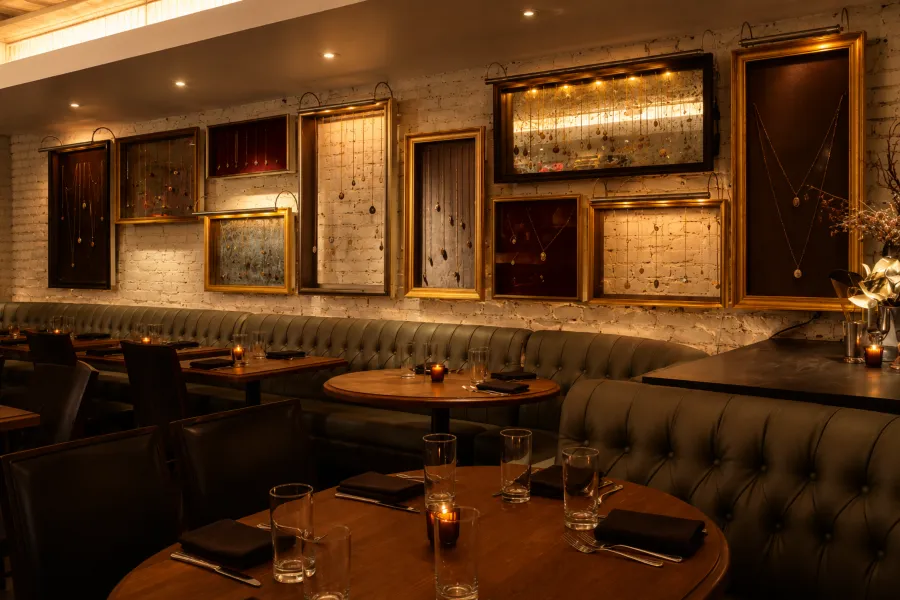

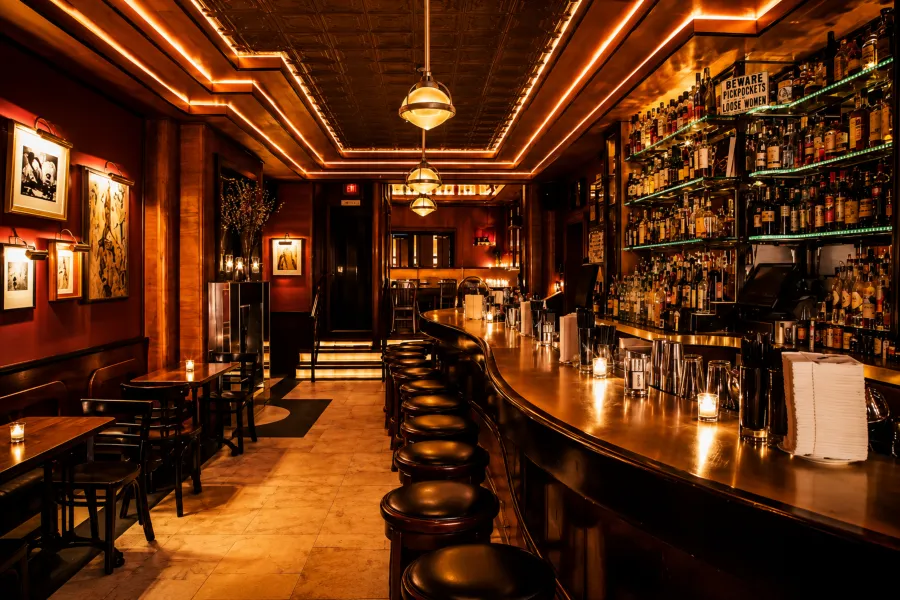
A mocktail used to mean an apologetic afterthought, a syrupy non-option buried at the bottom of a drinks menu for the one guest who wasn’t drinking that night. That era is over. Non-alcoholic and low-ABV drinks have become a real, profitable category in their own right, and NYC has built an entire bar scene around it.
What’s actually changed
The sober-curious movement has matured from a temporary trend into a lasting shift in how a meaningful share of guests approach drinking. Gallup polling has found that 62 percent of U.S. adults under 35 say they’re actively trying to drink less alcohol, a real behavioral shift rather than a passing phase tied to a single Dry January campaign.
NYC has responded with genuine infrastructure, not just menu additions. The city has built a real sober-curious bar scene, with dedicated venues built entirely around alcohol-free drinking rather than treating it as an accommodation. That kind of dedicated infrastructure signals this has become a real category, the same way a strong wine program or craft cocktail list is treated as a category, not a footnote.
Why this is a genuine margin opportunity, not just a hospitality gesture
A well-made mocktail using fresh ingredients, house-made syrups, and quality mixers can carry food costs under 15 percent while commanding pricing that approaches cocktail-level prices. That’s a genuinely strong margin, in some cases better than what a comparable alcoholic cocktail delivers once you account for the cost of spirits, and it comes without the regulatory overhead, insurance costs, and liability exposure that alcohol service carries.
There’s also a guest-capture argument that’s easy to underweight. Every table with a designated driver, a pregnant guest, someone on medication, a guest in recovery, or simply someone choosing not to drink that night represents a beverage sale you’re currently missing if your only non-alcoholic options are water, soda, or a single tired mocktail. A serious program turns every one of those guests into an actual beverage customer rather than a non-order.
Building a program that reads as serious, not like an afterthought
Give it a real section, not a footnote at the bottom of the drinks list. A dedicated “Zero Proof” or similarly clearly labeled section, positioned with the same visual weight as your cocktail list, signals to guests that this isn’t a grudging accommodation but a genuine part of your beverage program.
Treat the ingredients with the same seriousness as your cocktail program. House-made shrubs, quality non-alcoholic spirits, and fresh juice combinations elevate a zero-proof drink well beyond soda-and-juice territory, and guests notice the difference immediately.
Price it with confidence, not apology. A well-crafted zero-proof cocktail built with real ingredients and genuine craft deserves pricing that reflects that, generally close to your standard cocktail pricing rather than treated as a cheap afterthought. Guests willing to pay for a quality alcoholic cocktail are frequently just as willing to pay for an equally crafted non-alcoholic one.
Train staff to recommend it with the same confidence as any other drink. A server who can describe a zero-proof cocktail’s flavor profile and craft with genuine enthusiasm, rather than apologetically mentioning it exists, changes how guests perceive the option entirely.
Don’t limit this to guests who explicitly ask. Include it naturally in how servers walk through the beverage menu for every table, the same way you’d mention a wine pairing, rather than only bringing it up when someone mentions they’re not drinking.
This connects to your existing beverage program work
This sits naturally alongside the sommelier-led content and wine programming already covered on the blog, since both are about treating a specific part of your beverage program as a genuine craft and content opportunity rather than an operational afterthought. It also ties into the broader value-over-discounts pricing philosophy, since a well-executed zero-proof program is a clear example of charging confidently for genuine quality rather than either overcharging for a weak product or underpricing a strong one out of uncertainty about how to position it.
Frequently Asked Questions
Is a small independent restaurant really a realistic target for a data breach?
Yes. Most attacks on POS systems are automated or run through a software vendor that serves many restaurants at once, so the size of an individual restaurant doesn’t factor into whether it gets targeted. Smaller restaurants often have less IT support, which can make them easier targets, not less interesting ones.
What’s the single most common way restaurant POS systems actually get breached?
Guest Wi-Fi and the point of sale system sharing the same network is one of the most common and most preventable failure points, since it can let a compromised guest device reach payment infrastructure that should be completely separated.
Does my restaurant’s general liability insurance cover a data breach?
Usually not. A standard business owner’s policy or general liability policy typically excludes cyber incidents specifically, which means restaurants often need a separate cyber policy to actually be covered.
How often should I review who has access to my restaurant’s systems?
Regularly, and always immediately after a staff departure. Restaurant turnover means access lists go stale quickly, and a former employee’s still-active login is a common, entirely preventable vulnerability.
What should be in a restaurant’s basic incident response plan?
Emergency contacts for your POS provider, bank or processor, and cyber insurance if you have one, a clear process for switching to manual payment operations, and a designated internal decision-maker, all written down and stored both on paper and digitally outside the systems that might be affected.