Fifth Avenue Closes October 12: The Street-Closure Playbook Midtown Restaurants Should Already Have
QUICK ANSWER
The Columbus Day Parade takes Fifth Avenue on Monday, October 12. For restaurants near the route that is not a marketing opportunity first; it is a delivery, staffing, and access problem. Here is the playbook to run on parade days, and October has several.
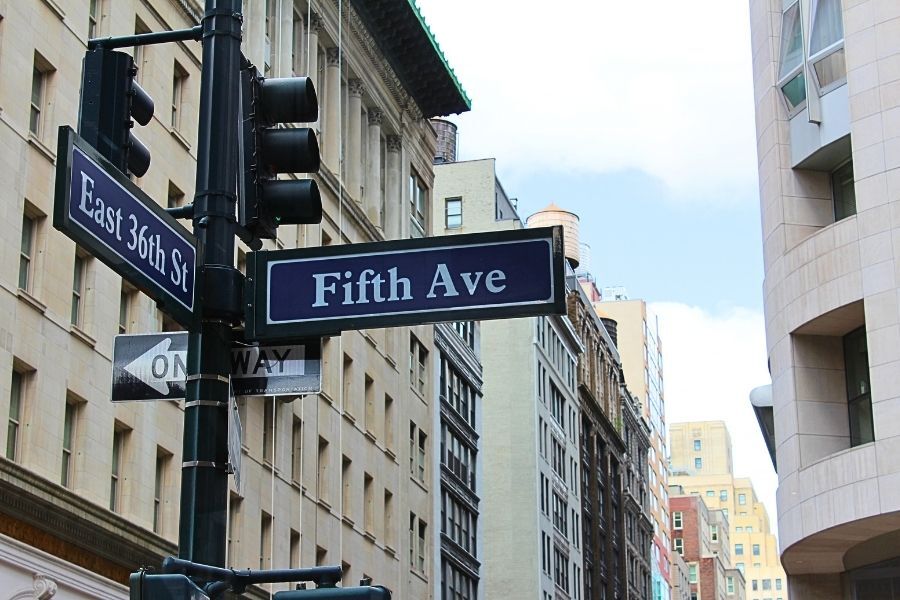
Street closures are the least discussed operational event in New York hospitality and one of the most disruptive. A parade day means your produce delivery cannot reach the door at seven, two of your line cooks cannot cross the avenue, and the foot traffic outside changes direction for four hours. Meanwhile, a large crowd is standing within sight of your dining room with nowhere to sit. Restaurants that handle these days well are not doing anything clever. They are doing three or four dull things in advance, which is why the good ones look calm, and the rest look like a bad Monday.
What is happening on October 12
The Columbus Day Parade is scheduled for Monday, October 12, following Mass at St. Patrick's Cathedral, and moves up Fifth Avenue. Street closures are expected along the route, with the usual pattern of rolling restrictions rather than a single all day shutdown. October carries more of these than any other month. The parade on the twelfth, the Wine and Food Festival footprint around the Seaport from the fifteenth to the eighteenth, Open House New York moving pedestrian volume through residential blocks the same weekend, and the Village Halloween Parade taking Sixth Avenue on the thirty first. Four different disruptions, four different geographies.
The three problems a closure creates
|
Problem |
What breaks |
Fix it by |
|
Deliveries |
Trucks cannot reach the door during closure hours |
Moving the drop to the day before or very early morning |
|
Staff arrival |
Crossing the route on foot or by bus becomes slow or impossible |
Building the schedule around subway lines, not avenues |
|
Guest flow |
Reservations do not show, walk-ins surge unpredictably |
Staffing the floor for walk-ins rather than a booking sheet |
How should a restaurant handle deliveries on a parade day?
Move them, and confirm the move in writing. A purveyor who says they will come early on Monday and arrives at their usual time has cost you a service. The safest version is taking Monday's delivery on Saturday where shelf life allows, and accepting that you will carry a day of extra stock rather than risk a gap.
- Call every purveyor the week before, not the Friday before, and get the changed slot confirmed by message.
- Check what has a short shelf life and cannot be brought forward. That list is your only real exposure, and it is usually short.
- Plan for waste collection too, which is the pickup everybody forgets until the bins are full at 4 pm.
How do you schedule staff around a closed avenue?
Think in subway lines rather than in street addresses. A cook who normally walks across Fifth Avenue has a twenty minute detour on a parade day, and a bus route crossing the parade is simply not running. Someone arriving by a subway line that runs parallel to the route is unaffected. Ask the question directly at the Friday briefing. How are you getting here on Monday? The answers will reshuffle your schedule more usefully than any assumption you make about travel time. Building the schedule around real constraints rather than nominal shift times is the same discipline that decides whether any given service is profitable, which we covered in our piece on turning slow weeknights into revenue. Most operators are absorbing days like this with the team they already have, since Toast's 2026 survey found only 49 percent plan to grow headcount this year while 48 percent will hold flat.
Why is a parade day actually a revenue opportunity?
Because it is a Monday. For most rooms, Monday is the weakest service of the week, the one you had already written off. A crowd that has been standing on Fifth Avenue for two hours is hungry, on foot, and deciding on the corner rather than online. That is free demand landing on your worst day. The catch is that they will not book. Parade crowds walk in. If your Monday schedule is built for a slow booking sheet, you will be understaffed for a rush that arrives all at once when the route clears.
- Staff the floor for walk-ins, with one person able to manage a queue at the door.
- Have a short menu ready that can absorb a surge, since a crowd arriving together orders together.
- Open earlier if the parade starts in the morning. The gap between the end of the route and normal lunch service is when the demand appears.
- Put something visible on the sidewalk. This crowd is scanning, not searching.
Will people find you if they are searching?
Only if your hours are right, and parade days are exactly when they are wrong. If you are opening early or closing late, that needs to be live on your listing before the weekend. A 2026 industry report found that locations updating their Google hours even once average 177 daily search views, compared with 42 for those that never touch the field, while 43 percent of operators update hours only a few times a year. The full approach is in our Google Maps guide. One specific thing worth doing: if your street is inside the closure, say so in a post. A guest who knows how to reach you on foot is a guest who comes. A guest who assumes the whole neighborhood is inaccessible goes somewhere else entirely.
What about the regulars who cannot get in?
Some of your Monday regulars will skip the day, and that is worth acknowledging rather than ignoring. A short message to your list on the Friday, explaining that you are open, how to reach you, and what is worth coming for, protects a service that would otherwise quietly empty out. This is one of the cheapest uses of a guest list there is, and it only works if you have one. Our guest data and CRM guide covers the low-friction ways to build it, and our piece on repeat guest revenue runs the arithmetic on why protecting those relationships beats replacing them.
Who tells the guests?
Nobody, usually, which is the gap. A restaurant that posts once on Friday saying it is open, how to reach the door on foot, and what the kitchen is running that day, will hold a service that would otherwise empty out. It takes five minutes, and it is the single highest return thing on this list. Be specific about access rather than reassuring in general. Telling someone the closure is on Fifth and that you are reachable from Madison is useful. Telling them you are open as normal is not, because they can see the barricades and will assume you are wrong.
The pattern to reuse
Every closure day in October follows the same shape. Deliveries early, schedule built around access, floor staffed for walk-ins, hours corrected, one message to your list, something visible outside. That is the whole playbook, and it applies equally to the Halloween parade on the thirty first when Sixth Avenue closes for a crowd of over a million. The month has enough of these that treating each one as a surprise costs real money. The full October picture, event by event, is in our October revenue map.
Dull work, reliable return
Nobody wins a parade day with a clever promotion. It is won on the Thursday before, with three phone calls and one schedule change. Restaurants a block apart will have completely different Mondays based on whether anyone made them. My Chef Social helps NYC restaurants plan the operational and marketing side of event days together, so a disrupted Monday becomes one of the better services of the week. Get in touch if you want the rest of October mapped before the twelfth.
FREQUENTLY ASKED QUESTIONS
Monday October 12, 2026, following Mass at St. Patrick's Cathedral, moving up Fifth Avenue with street closures expected along the route.
Move the delivery to the day before or very early morning and get the changed slot confirmed in writing. Identify anything with short shelf life that cannot be brought forward, since that is the only real exposure, and remember to reschedule waste collection as well.
Expect walk-ins to dominate. Crowds that have been standing along a route decide on the corner rather than booking ahead, so staff the floor for walk-in volume and have someone able to manage a queue at the door.
It can be very good, precisely because Columbus Day falls on a Monday, usually the weakest service of the week. The risk is being understaffed for a surge that arrives all at once when the route clears.
Assuming staff and deliveries can arrive as normal. Bus routes crossing a parade stop running and walking detours add twenty minutes or more, so schedules need to be built around subway access rather than street addresses.
Several. The Columbus Day Parade on October 12, the Wine and Food Festival footprint around the Seaport from October 15 to 18, heavy pedestrian volume from Open House New York the same weekend, and the Village Halloween Parade on Sixth Avenue on October 31.