
Predicting exactly which restaurant opens in which specific week is close to impossible in this city. Openings slip by months as often as they hit their original target, sometimes more than once. What’s far more useful, and far more reliable, is looking at the pattern across everything currently landing this fall and into next year, because that pattern says something real about where NYC dining is actually headed.
Why “this fall” is the more honest frame than “this month”
Border Town, a Greenpoint taco spot with NYC-famous flour tortillas, was originally slated for fall 2025. As of the most recent reporting, it’s now targeting winter 2026, a full year later than first announced. That’s not an unusual story in this industry. Construction delays, permitting, staffing, and a dozen other factors push almost every opening later than the first announcement suggests. Treating any single month as a hard deadline for restaurant openings sets up an article to be wrong within weeks of publishing it. Looking at the broader wave of what’s coming, and what it says about the city’s direction, holds up much better.
The second-location wave
A striking number of this year’s most anticipated openings aren’t new concepts. They’re beloved, already-proven restaurants expanding to a second spot. Williamsburg’s longtime Southern institution Pies ‘n’ Thighs is opening a second location in Park Slope, timed to its 20th anniversary. The West Village’s ramyun-focused Jeju Noodle Bar is opening a second outpost in Nolita. This is a meaningful signal: rather than betting entirely on brand-new concepts, some of the smartest operators in the city are choosing to extend something that’s already working into a new neighborhood, rather than starting from zero again.
London is landing in New York
Several of the most talked-about openings this year are UK imports arriving in New York for the first time. Mayfair’s Ambassadors Clubhouse, an upscale Punjabi spot known for its butter chicken chops, is opening its first US location in Nomad after some delay. Notting Hill’s Straker’s, from an Instagram-famous chef, is taking a Soho space previously occupied by another restaurant. Indian mini-chain Dishoom, after a sold-out pop-up run in the city, is also planning a New York arrival, though the exact address and timeline remain unannounced. This kind of transatlantic expansion into NYC specifically, rather than other major US cities first, says something about how the city is viewed by international operators right now.
Chicken, wine, and the return of the neighborhood bistro
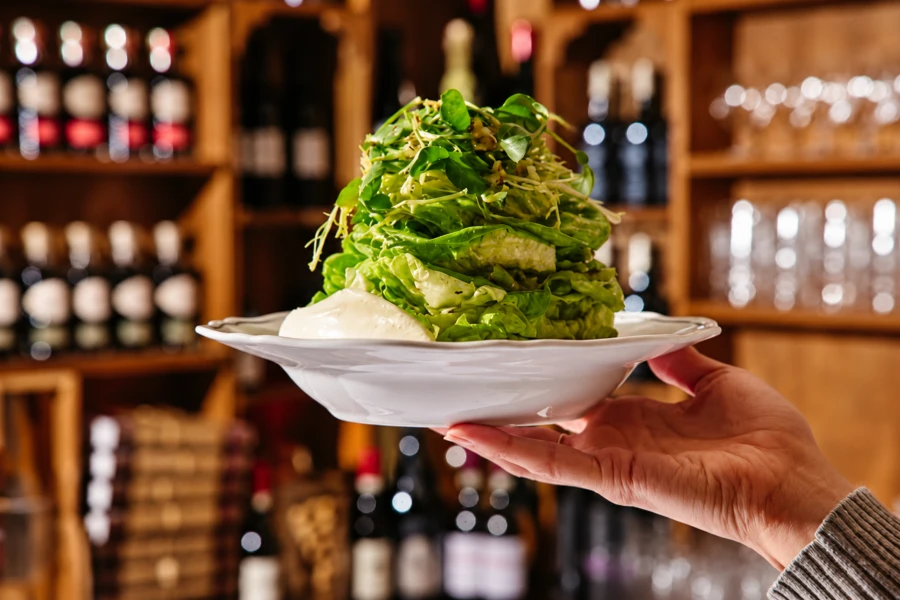
If there’s a single food trend running through this year’s openings, it’s rotisserie and roast chicken paired with serious, often French-leaning wine programs. A new West Village spot is bringing rotisserie chicken inspired by Paris, London, and Montreal. A Greenpoint concept is turning a beloved bakery into a roast chicken restaurant with a wine list running past a thousand bottles. This isn’t a coincidence. It reflects a broader pull back toward simpler, bistro-style formats after a period dominated by more elaborate tasting-menu concepts, without abandoning a serious approach to the wine list.
Brooklyn keeps absorbing Manhattan’s overflow
A number of this year’s most anticipated spots are landing in Brooklyn neighborhoods, Bushwick, Red Hook, Carroll Gardens, and Cobble Hill, rather than Manhattan. A Dominican-inspired barbecue concept that started as a pop-up is opening a Bushwick flagship. A Khmer restaurant that built a following through a pop-up residency is opening its first permanent home in Red Hook. This continues a pattern that’s been building for years: some of the most interesting new restaurant concepts in the city are choosing Brooklyn for their first real space, rather than treating Manhattan as the only serious option.
What this means for independent restaurants watching from the sidelines
None of this is really about competing head-on with major, buzzy openings; most independent restaurants aren’t trying to be the next reservation-impossible sensation. It’s about reading the direction of guest appetite, the same way a broader NYC restaurant marketing calendar helps time announcements around what guests are already paying attention to. If simpler bistro formats and rotisserie concepts are pulling attention away from more elaborate tasting menus, that’s worth knowing when planning a menu update. If Brooklyn neighborhoods are absorbing more of the city’s most-anticipated openings, that’s worth knowing when thinking about where dining attention is shifting. Watching what the most talked-about new restaurants are doing, even without competing directly with them, is a legitimate way to stay ahead of where guest expectations are moving.
This is a trend-watching exercise, not a hype machine
The goal here isn’t to send readers chasing reservations at restaurants they may not get into for months. It’s to notice the pattern: proven neighborhood spots expanding rather than betting everything on something new, international operators choosing New York, a swing back toward simpler formats with serious wine, and Brooklyn continuing to earn major openings in its own right. That’s useful information for any restaurant thinking about its own next move, whether that’s a menu refresh, a second location, or just understanding what guests have been reading about all year.
Where this connects to your own planning
It’s worth thinking about this alongside your own brand identity work, since the strongest response to a wave of buzzy new openings usually isn’t imitation; it’s being clearer about what makes your own restaurant distinct.
Frequently Asked Questions
Are these restaurants actually confirmed to open in September specifically?
Not with certainty. Most of this year’s most anticipated NYC openings are targeting windows spread from winter through fall, and restaurant opening dates shift constantly, sometimes by a full year, which is why this piece looks at the broader fall and winter wave rather than claiming precise September dates.
What’s the biggest pattern across this year’s most anticipated openings?
A wave of proven, already-successful restaurants opening second locations rather than brand-new, unproven concepts, alongside a notable number of UK restaurants making their first US appearance in New York specifically.
Why does Brooklyn keep showing up in these lists?
Several of the most talked-about new concepts this year chose Brooklyn neighborhoods like Bushwick, Red Hook, and Cobble Hill for their first permanent space, continuing a longer pattern of Brooklyn earning major openings in its own right rather than serving as Manhattan’s overflow.
What food trend shows up most in this year’s openings?
Rotisserie and roast chicken paired with serious wine programs, reflecting a pull back toward simpler bistro-style formats after a period when more elaborate tasting-menu concepts dominated attention.
Why should an independent restaurant care about buzzy new openings it’s not competing with directly?
Because the pattern behind what’s opening reveals where guest attention and appetite are shifting, which is useful for planning a menu refresh or a brand update even without trying to replicate any specific new restaurant.