
The Five-Second Window You’re Losing
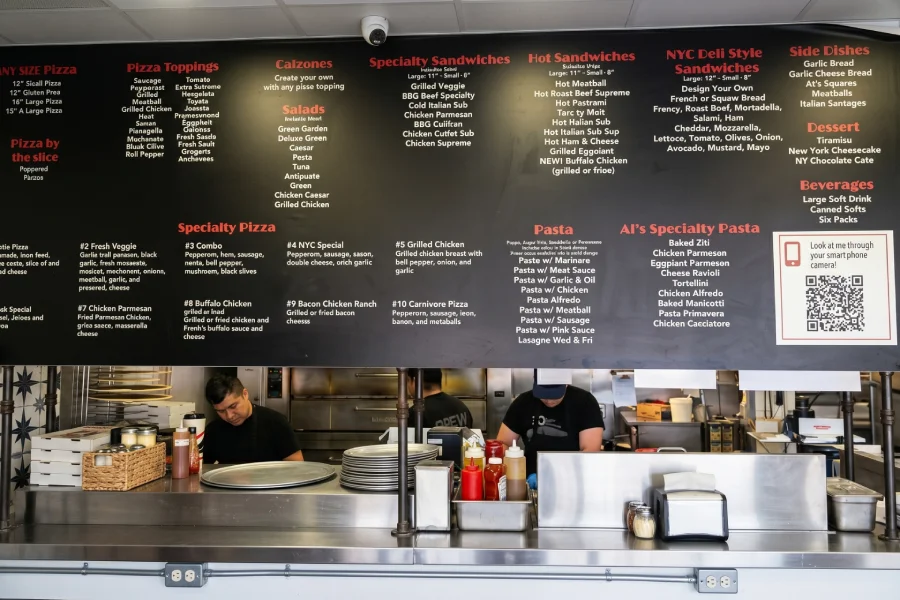
Every restaurant in Manhattan faces the same micro-moment dozens of times a day. A potential guest pulls out their phone, searches for a place to eat, taps on a result, and makes a decision almost instantly. They aren’t casually browsing. They are hungry, impatient, and choosing between you and six other options within a ten-block radius. The single most viewed page on any restaurant website is the restaurant menu. Not the about page. Not the press section. The menu, and if that page is a blurry PDF that requires pinching and zooming on a phone screen, you’ve already lost the race before the guest even sees what you cook. This isn’t just a design preference; it’s a conversion problem. Poor restaurant website design in New York doesn’t just look outdated; it actively sends guests to your competitors.
What a Hungry Guest Actually Needs from Your Website
The gap between what restaurant operators think their website does and what a guest actually experiences is wider than most realize. Here is what a prospective diner needs in those first five seconds, and where most websites fail:
- Menu Visibility Without Friction: One tap from the homepage. Not buried in a dropdown, locked in a PDF, or hidden behind a splash animation. It needs to be fully readable and mobile-first.
- Real-Time Accuracy: If your site still lists a winter tasting selection in May, the guest doesn’t assume you’re just busy. They assume you don’t care.
- Reservation Path Within Thumb’s Reach: The guest liked the menu and wants a table. If booking requires scrolling back up, finding a separate page, or loading a slow third-party redirect, you are adding friction at the moment of highest intent. Modern, integrated online reservation systems remove that obstacle entirely.
- Speed Over Spectacle: Parallax animations and full-screen video backgrounds look great on a desktop monitor. On a smartphone at 6:47 PM, they are just obstacles. Your site must load in under three seconds on mobile.
The Menu Page Is Your Highest-Value Real Estate
Most operators spend more time choosing paper stock for their physical menus than thinking about how their digital ones are structured. In a city where the majority of first-time guests see your menu on a screen before they see it on a table, that is a massive misallocation of attention. A well-structured digital menu does three things simultaneously:
- Sells the Experience Before the Visit: Dish descriptions, section flow, and visual design communicate your brand before the guest walks in. This is where menu design branding in NYC becomes a revenue tool, not just a design exercise.
- Reduces Front-of-House Friction: A guest who has already studied the menu orders faster, asks fewer questions, and frees the server to upsell rather than explain. This has a direct impact on table turns and average check size.
- Supports Long-Term Retention: A guest who bookmarks your menu page and checks it before returning is already in a retention loop. That is the quiet foundation of any effective guest retention strategy, making it effortless for a past diner to re-engage.
Why Most Restaurant Websites Fail at This
The problem is rarely that a restaurant doesn’t have a website. The problem is that the website was built once, three or four years ago, and hasn’t been rethought since. Mobile behaviour has shifted, search algorithms have changed, and guest expectations have moved significantly.
Here are common patterns we see across Manhattan restaurant websites:
Problem | What the Guest Experiences | What It Costs You |
Menu uploaded as a PDF | Pinching, zooming, and slow loading on mobile | Lost guests who give up before reading a single dish |
No direct reservation link on the menu | The guest has to navigate away from the menu to book | Drop-off at the highest-intent moment in the journey |
Outdated items or pricing | Confusion on arrival or a feeling of being misled | Trust erosion on the very first visit |
Slow mobile page load | Guest bounces before the site fully renders | Invisible revenue loss you never see in any report |
No mobile-first design | Desktop layout crammed onto a small screen | A digital experience that contradicts the quality of your dining room |
If your website hasn’t been meaningfully updated recently, it is very likely costing you money every single day. A proper restaurant website redesign in NYC isn’t a cosmetic refresh. It is a structural rebuild around how today’s guest actually behaves.
The Reservation System Is Part of the Experience
Too many restaurant websites treat the reservation function as an afterthought, a button in the corner, or a redirect to a generic third-party page that looks nothing like the brand. The guest goes from your carefully designed environment into a booking interface that breaks the spell. The operators handling this well launch a restaurant website with online reservations seamlessly integrated into the design. The booking flow matches the brand. The confirmation feels intentional. The follow-up carries the same tone as the restaurant itself. This is also where restaurant customer retention marketing begins. A reservation isn’t just a booking; it’s the first data point in a relationship. Operators who capture and use this data build retention systems that start working from the very first visit.
Your Online Presence Is Bigger Than Your Website
Your website is the center of your digital footprint, but it isn’t the entirety of it. A guest searching for your restaurant will encounter your Google Business profile, Instagram, review platforms, and delivery apps before or alongside your website. Effective restaurant online presence management means ensuring your menu, hours, imagery, and brand tone are perfectly consistent across every platform. A beautiful website that contradicts what a guest sees on Google creates confusion, and confused guests do not book. This extends to social platforms as well. A strong restaurant social media marketing strategy in NYC should drive traffic back to a website that is ready to convert. If the social content is amazing but the website is broken, you are spending money to send guests into a leaky funnel.
Fixing This Doesn’t Require Starting Over
The instinct when a website underperforms is to commission a full redesign and wait three months. That is one path, but there are quick fixes that can improve your conversions this week:
- Kill the PDF Menu: Replace it with a native HTML page. A clean, text-based menu page will always outperform a downloadable file on mobile.
- Add a Reservation Button on the Menu Page: Don’t just leave it on the homepage. Put it on the menu page itself, where intent is highest.
- Update the Menu to Today: Reflect what the kitchen is actually running right now.
- Test on Your Own Phone: Load your site on a cellular connection, not your fast office WiFi. If it takes more than three seconds, your guests are experiencing that same delay.
- Audit Every Entry Point: Check your Google Business profile, Instagram bio link, and third-party listings. Make sure every door leads to a current, functional site.
While professional NYC restaurant website development produces the strongest long-term results, these immediate steps will stop the bleeding while you plan for the future.
A Website That Works Is a Revenue System, Not a Brochure
The Manhattan restaurants that consistently fill tables aren’t always the ones with the best food. They are the ones that make it easiest for a hungry New Yorker to find the menu, love what they see, and book a table without friction. Your website is your most active salesperson, handling more first impressions daily than your host stand ever will. If it isn’t converting the guests who are already searching for you, the issue isn’t demand. It’s access.
At My Chef Social, we partner with culinary operators to build digital front doors that actually convert. From seamless reservation integration to the social marketing systems that drive the right guests to the right pages, we turn websites into revenue channels.
Ready to fix your digital front door? Let’s talk about your website’s true potential. →
Frequently Asked Questions
Why does my restaurant need a mobile-first website?
The vast majority of guests searching for a restaurant in Manhattan do so on their phones. A site built for desktop first and adapted for mobile second will always underperform in the micro-moments that matter most.
How often should I update my digital menu?
Every time your physical menu changes. If your kitchen is running a different selection than what your website shows, you are creating a trust gap before the guest even arrives.
Is a PDF menu really that much of a problem?
Yes. PDFs are slow to load on mobile, require pinching and zooming, and are virtually invisible to search engines (SEO). A native HTML menu page outperforms a PDF on every metric that matters.
What should I look for in an online reservation system?
Look for seamless integration with your website's design, mobile optimization, automated confirmation messaging, and data capture capabilities that feed directly into your guest retention systems.
How does website design connect to guest retention?
A well-built site makes it frictionless for past guests to check your current menu, book a return visit, and stay connected. That easy re-engagement loop is the foundation of any lasting guest retention strategy.